Carl’s story
Joining the Armed Forces.
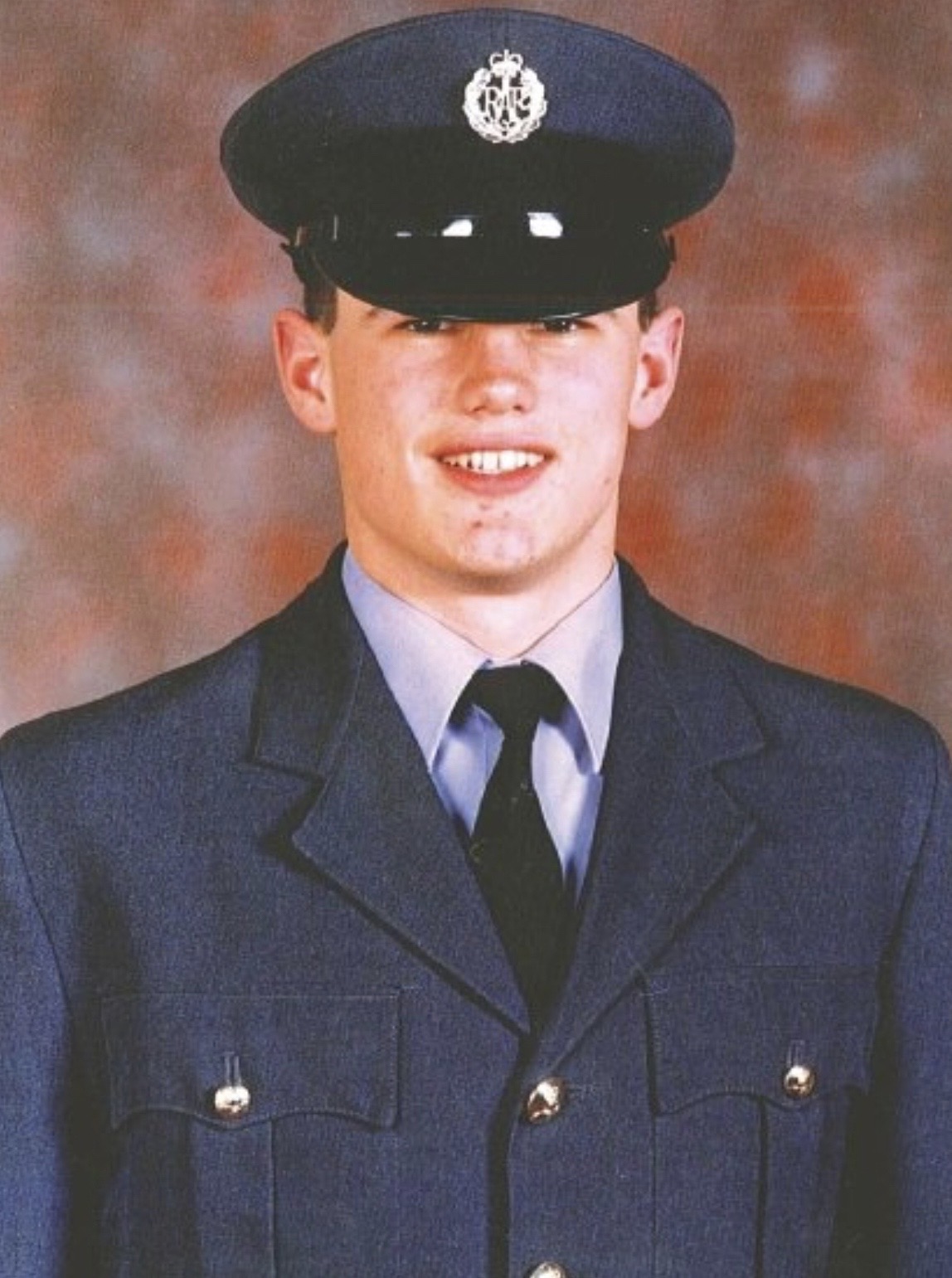
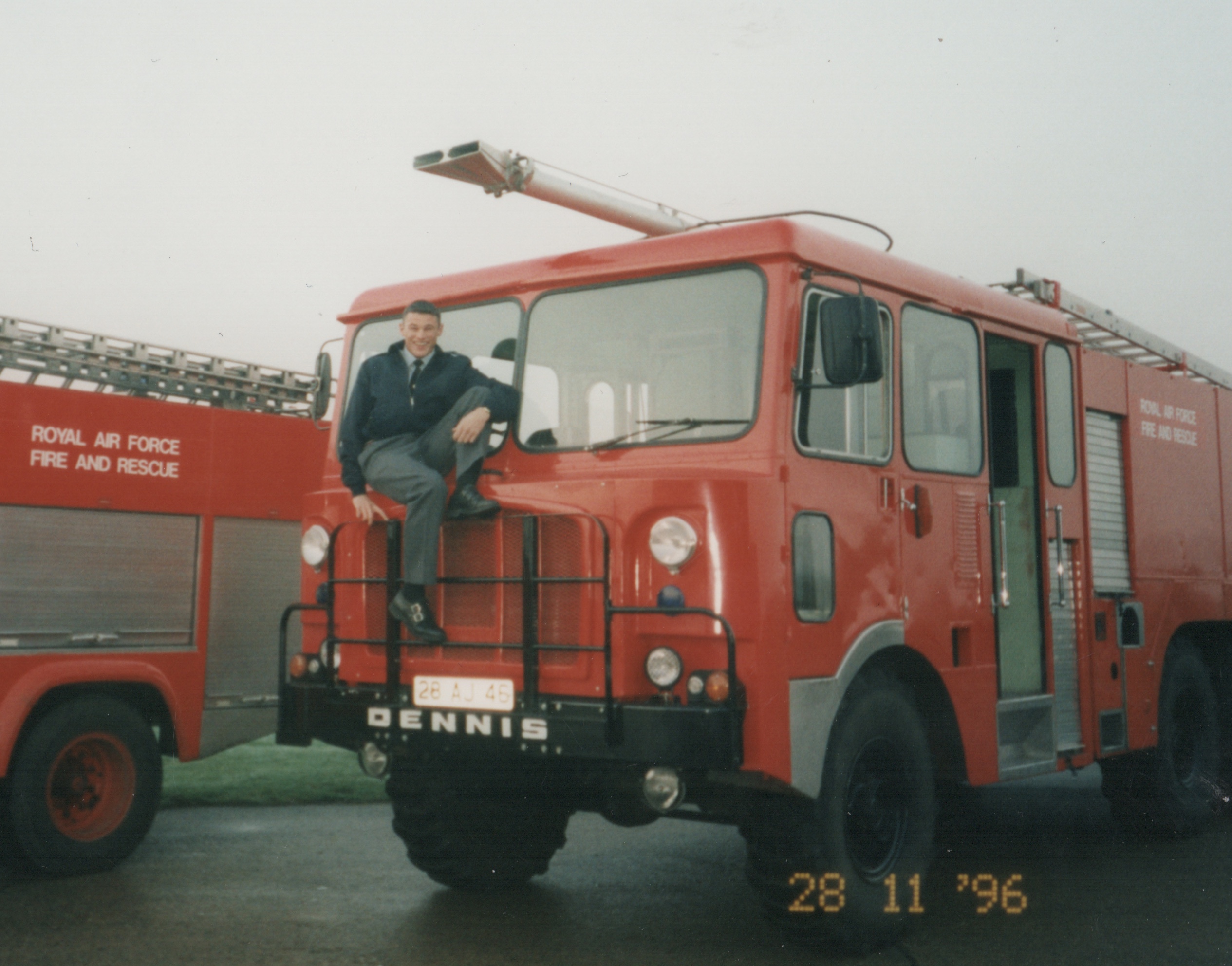
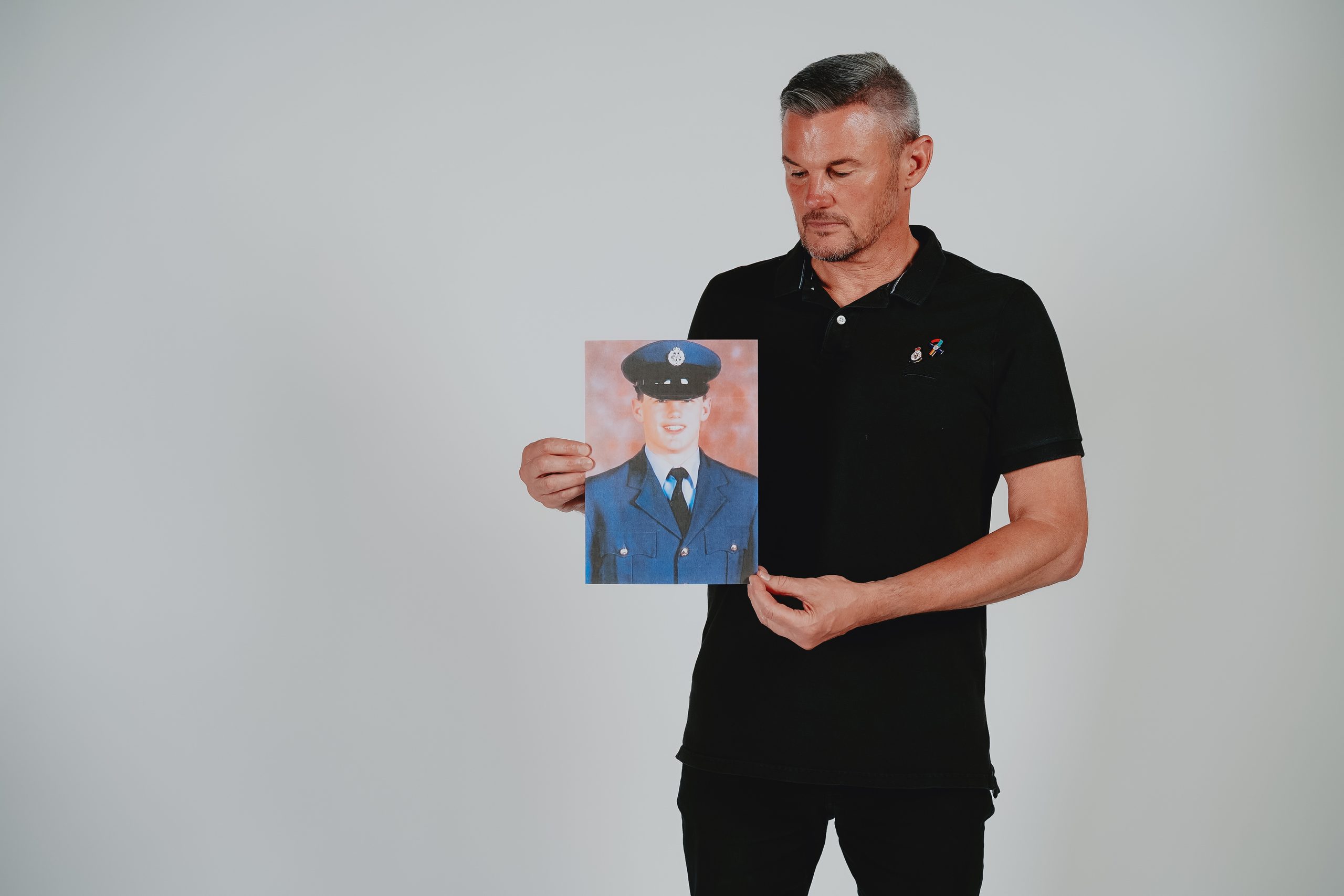
Carl Austin-Behan joined the Royal Air Force in 1991. He had wanted to become a firefighter since childhood and, after discovering that the RAF had its own fire service while visiting his brother in Cyprus, he knew it offered him the opportunity he had been looking for.
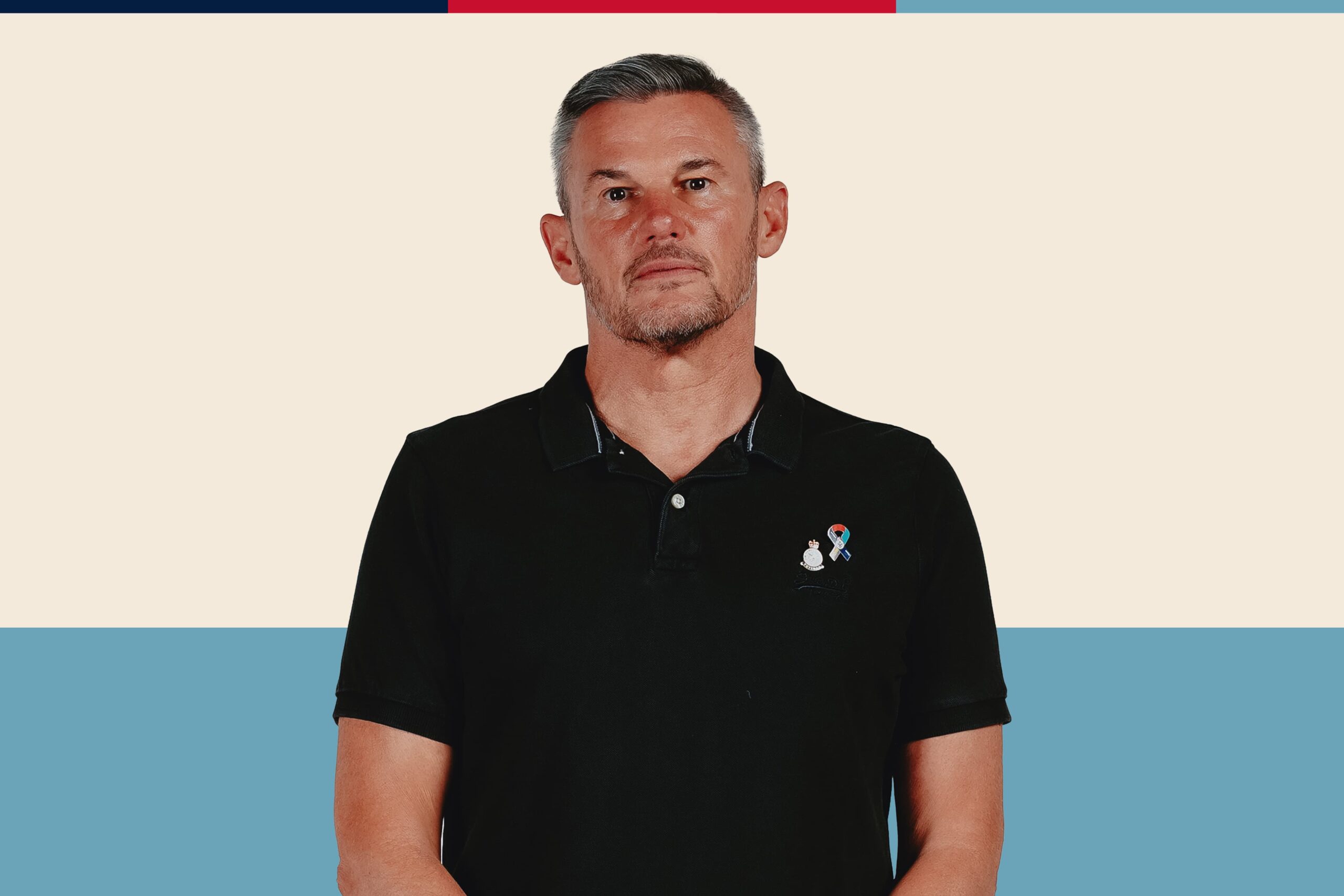
From the day he joined, Carl says he “absolutely loved it”.
He completed his basic training before training as a firefighter and beginning a career in the RAF that would see him serve in the UK and overseas. But throughout that career, Carl was also having to hide an important part of who he was.
He was gay at a time when LGBT personnel were not permitted to serve openly in the Armed Forces.
A career in the RAF.
Carl speaks with pride about his time in the RAF.
During his service, he was involved in the response to an aircraft crash. Carl was on the first vehicle to approach the aircraft, helped tackle the fire and climbed onto the fuselage as the crew worked to rescue a trapped pilot.
For his actions, Carl received an RAF Good Show Award and a Bronze Medal from the Royal Humane Society for bravery.
He later served in Belize and on Ascension Island, as well as at bases in the UK. In 1996, he received a Commander-in-Chief’s Commendation as part of the Queen’s Birthday Honours.
By January 1997, Carl had also received his promotion papers to become a corporal. He had already signed up for 12 years of service and was beginning to look at the possibility of pursuing a commission.
But alongside those achievements was another reality.
Carl travelled to places including Manchester, Liverpool, London and Birmingham where he felt he could express his sexuality more safely. At times, he would even use a different name when meeting people.
Within the RAF, he tried to ensure that hiding his sexuality never affected his work. He remembers the people he served alongside positively and says that he did not personally experience what he would describe as homophobia from his colleagues.
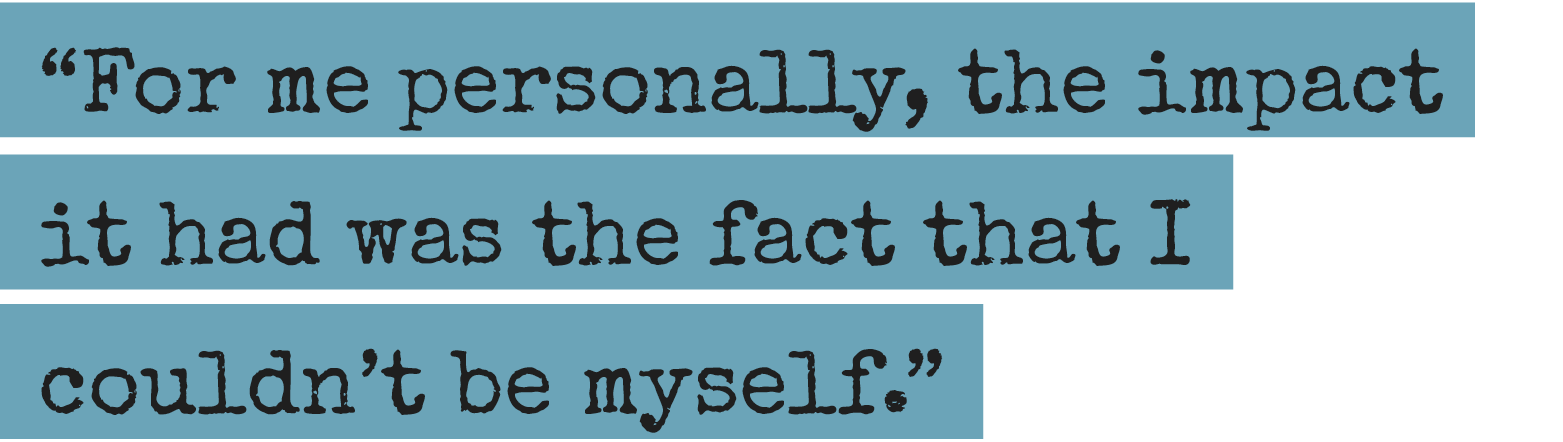
For Carl, the impact of the Ban was instead rooted in the fact that he could not simply be himself or talk openly about his life.
At one point, he entered into a relationship with a woman and became engaged. Looking back, Carl describes this as part of his attempt to hide his sexuality.
Serving under the Ban.
Things changed in 1997.
After Carl had started seeing a man, he was reported to the RAF for being gay. In April, he was called to a meeting with personnel staff, a padre and RAF Police.
He was asked whether he had “homosexual tendencies”. Carl remembers freezing before bursting into tears. He was told that homosexuality was incompatible with service life and that he would be discharged. He was also told he could face six months in military prison, although Carl says his exemplary service and recent promotion were taken into consideration and an administrative discharge process followed instead.
Losing everything in minutes.
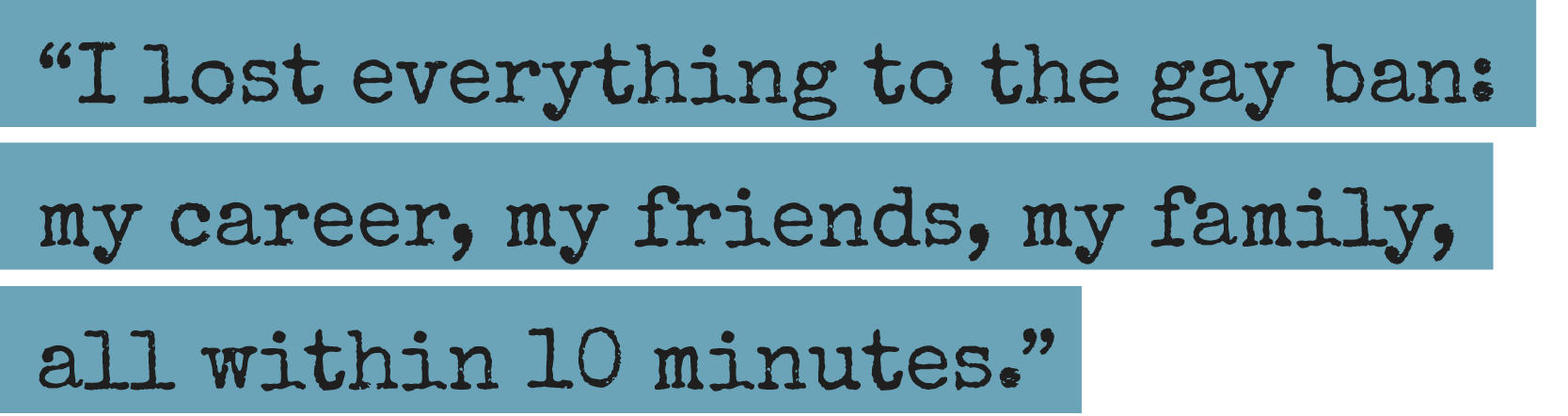
The immediate impact was profound.
Carl says he was escorted to his room and given around 10 to 15 minutes to collect what he needed. He wasn’t able to say goodbye to the people he had served alongside.
After leaving the camp gates, Carl sat in his car for around three hours, crying and trying to decide where to go and what to do next.
He eventually returned to Manchester and, with nowhere permanent to live, sofa-surfed for around six months.
Carl wrote repeatedly to politicians, including the Prime Minister, arguing that his sexuality had no bearing on his ability to do his job. Despite his service record, his discharge went ahead in November 1997.
Life after service.
What happened did not change the pride Carl felt in having served.
After leaving, he worked for a period in the fire service, established his own promotions company and became increasingly involved in campaigning for LGBT+ rights.
He also found himself working with the RAF again.
Following an interview in Attitude magazine, Carl says the RAF contacted him for support with recruiting gay and lesbian personnel. He later helped encourage the RAF to take part in Manchester Pride, which it did in 2004.
For Carl, being asked to help an organisation that had previously discharged him carried particular significance.
He remained proud of having served, while still carrying the loss of the career he had expected to have. He describes continuing to think about the “what ifs” – particularly as he had been promoted and had begun considering a commission before his discharge.

Seeking recognition.
Carl’s experiences would later lead him to become involved with others campaigning for people affected by the historic Ban.
In 2020, following an event at Westminster, Carl felt that while there was much to celebrate about the Armed Forces of today, the experiences of those who had served under the Ban were not sufficiently understood.
He subsequently met Craig Jones, Caroline Paige and others and became involved in establishing Fighting With Pride, with a focus on addressing the injustice experienced by people who had served during the Ban. Carl was later part of the Fighting With Pride team campaigning for an independent review.
Despite encouraging other veterans to seek recognition, Carl found making his own application much harder.
He says it took him more than a year to begin the process.
Going through old boxes brought him face-to-face with letters and experiences he had not revisited for more than 20 years. Completing his application took a number of weeks, with Carl repeatedly stepping away and returning to it when he felt able.

Carl acknowledges that revisiting these experiences can be difficult. His advice to others is to look at what is being asked, work through it in their own time and seek help if they begin questioning what to include or how to express their experiences.
He particularly emphasises the importance of organisations that understand the process and can help people work through their application.
Recognition and reconnection.
For Carl, some of the most meaningful restorative measures have been non-financial.
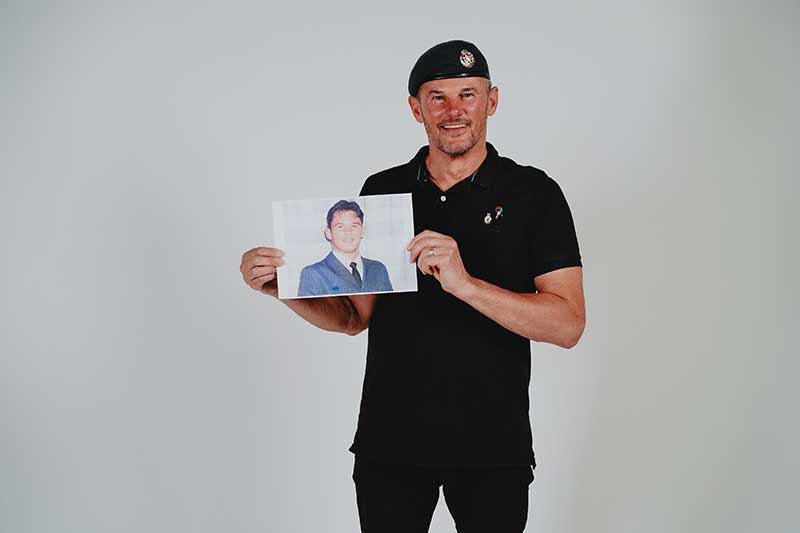
He attended a ceremony where he received his beret back and a letter of apology from the RAF. He also talks about being able to participate in events such as Remembrance Sunday and Armed Forces Day, and to spend time socially with other veterans.
That sense of camaraderie is particularly important because, as Carl describes it, when he was discharged, those relationships disappeared immediately.
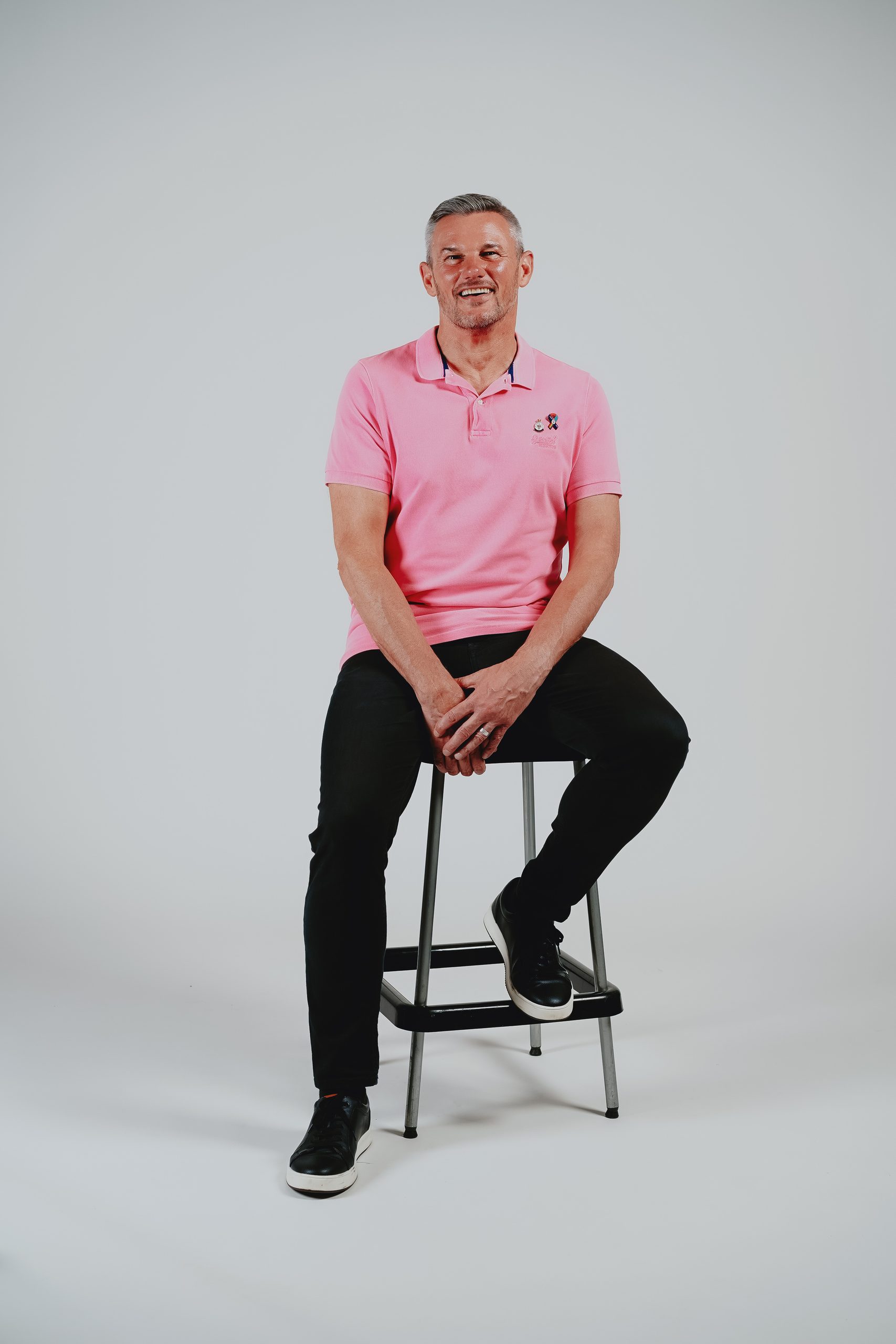
Carl was also one of the first recipients of the Etherton Ribbon. At the time, he chose to return it alongside two other veterans because he felt it should represent the final piece of the restorative process.
By the 25th anniversary of the lifting of the Ban, Carl felt able to wear the Etherton Ribbon with pride. He was particularly grateful that Lord Etherton saw him wearing it before his death.
Carl’s message to other veterans.
Carl’s experience has also shown him how easily people affected by the Ban can remain unaware that others went through something similar.
At Remembrance Sunday, he unexpectedly encountered someone he had served with in the RAF. During their conversation, the other veteran revealed that they too had been discharged under the Ban. Neither had known about the other’s experience at the time.
Carl explained the Financial Recognition Scheme, shared information about Fighting With Pride and offered support.
He says he has directly helped five people in similar circumstances to find information and support, all of whom subsequently received financial recognition.
For Carl, those conversations demonstrate why reaching veterans individually still matters.
Above all, Carl wants people affected by the Ban to recognise that their service still counts.
Whether somebody served for a day, a week or many years, Carl’s message is that they are a veteran – regardless of why their service ended.
For someone questioning whether to come forward, Carl encourages them to find out what is available and to seek support if they need it.
His own journey has taken him from being removed from the RAF and losing the community around him to feeling part of that family again.
And today, his message to other affected veterans is clear: