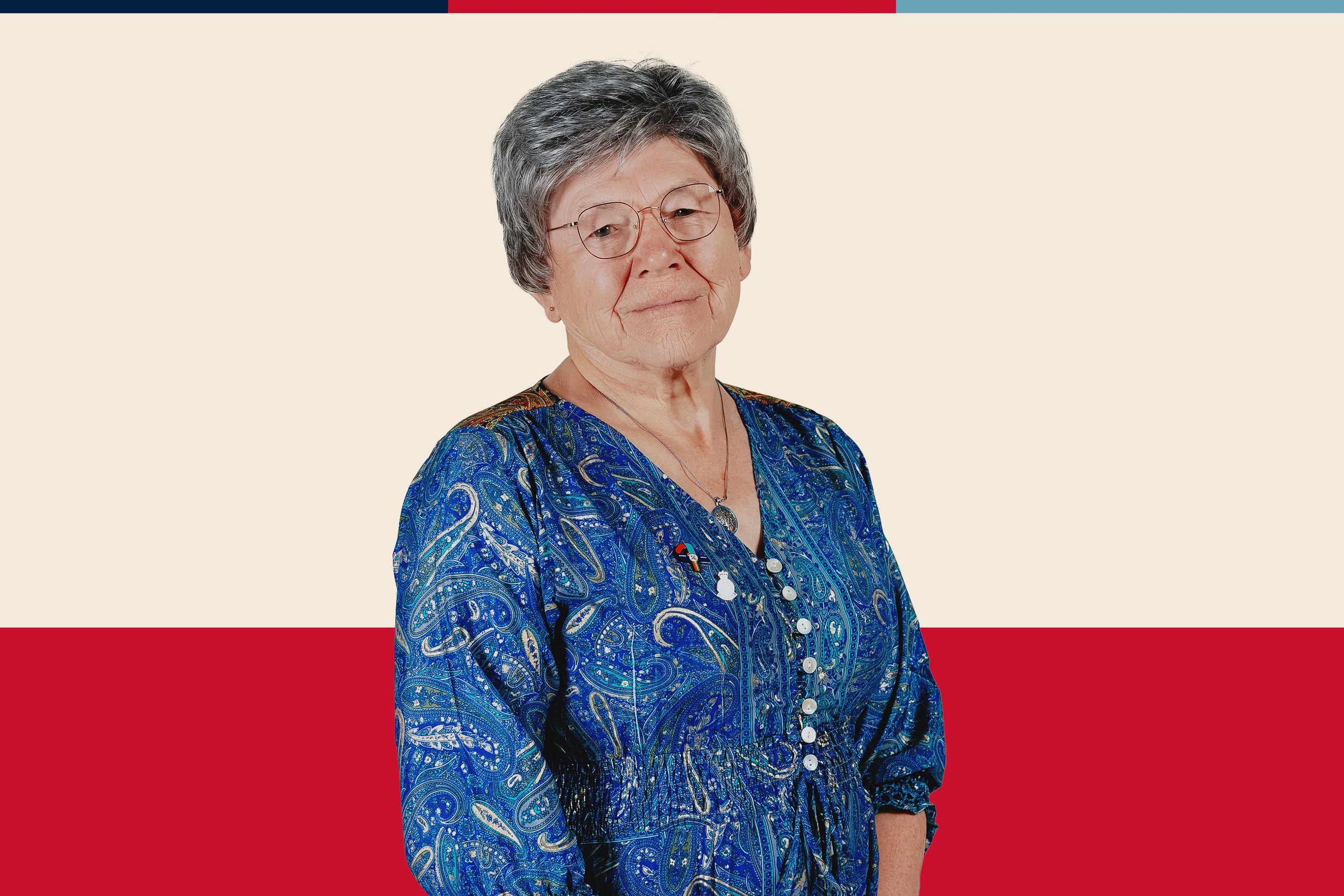
Claire’s story
Joining the Armed Forces.
Military service was part of Jean’s family long before she joined the Army herself.
Her father had been a Regimental Sergeant Major in the artillery, her mother served in the Royal Air Force during the war, and military service stretched back through her grandparents and great-grandparents.
Serving during the Cold War and troubles.
After joining, Claire was posted to Germany, where she served during the Cold War. In early 1971, she was sent to Northern Ireland during the Troubles.
Her experiences there included guarding the border, dealing with riots and coming under attack. During one incident in Belfast, her unit came under machine-gun fire. Six soldiers were wounded and Claire’s friend was killed.
More than 50 years later, she told us that the experience has never left her.
Jean felt unable to report it, believing she would be ostracised. She remembers a wider culture in which women were routinely sexualised and treated without respect.
But while Claire was dealing with the realities of military service, she was also trying to navigate something she did not yet have the words to describe.
Serving under the Ban.
Looking back, Claire describes feeling uncomfortable around other people from a young age, particularly in situations where she was expected to change or wash communally.
Military life made avoiding those situations difficult.
Claire remembers trying to be the last person into communal washrooms and gravitating towards activities such as mountaineering rather than those that involved being part of a larger group.
There was also pressure to fit in socially. Nights out meant going out with groups of other soldiers, listening to conversations that made her uncomfortable and joining in just enough not to draw attention to herself.
She also experienced bullying.
At the time, Claire did not have the language to understand what she was experiencing as gender dysphoria. Instead, she became accustomed to suppressing how she felt.
After returning from Northern Ireland, Claire was due to attend another course. A last-minute change meant it took place in Germany instead of Larkhill.
The accommodation brought her fears around communal living and changing around other people to the surface. Claire describes reaching a point where she could no longer cope and subsequently being admitted to a military hospital.
Questions began to be asked about why she was struggling.
Claire says the question nobody asked was whether she wanted to be a woman.
Had she been asked, she says her answer would have been yes.
Instead, those assessing her concluded that she was gay.
It was 1972.
A career cut short.
Claire was sent back to Lancashire and left to make her own way in civilian life. Her discharge book described her as medically unfit for any military service, while stating that she was fully fit for civilian employment.
A career she had expected to continue was over.

Claire reflected on what that meant in practical terms. She had been expecting promotion and believed she would have completed the standard 22-year period of service.
Instead, she says she left with almost nothing.
Life after service.
For decades after leaving, Claire did not think of herself as a veteran.
As she puts it, she was simply someone who had left the services.
That began to change only in recent years, as organisations encouraged people with experiences like hers to recognise that they were veterans too.
Claire was present in Parliament when her MP shared her story during a debate. She had also submitted her experiences to the Independent Review led by Lord Etherton and later had the opportunity to meet him.
For Claire, simply having what happened acknowledged carried enormous significance
Seeking recognition.
While financial recognition matters to Claire, she is clear that the non-financial restorative measures have held particular personal significance.
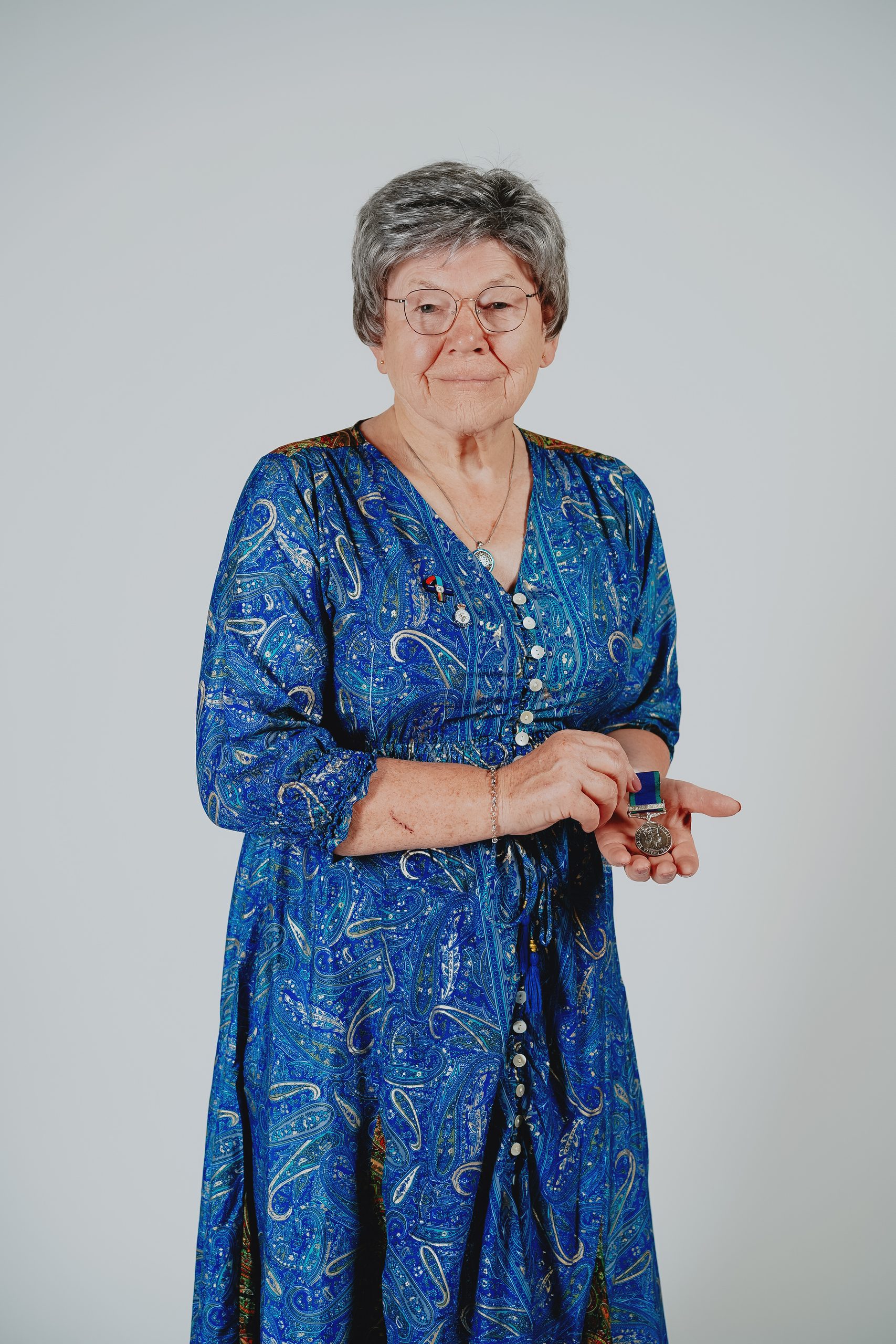
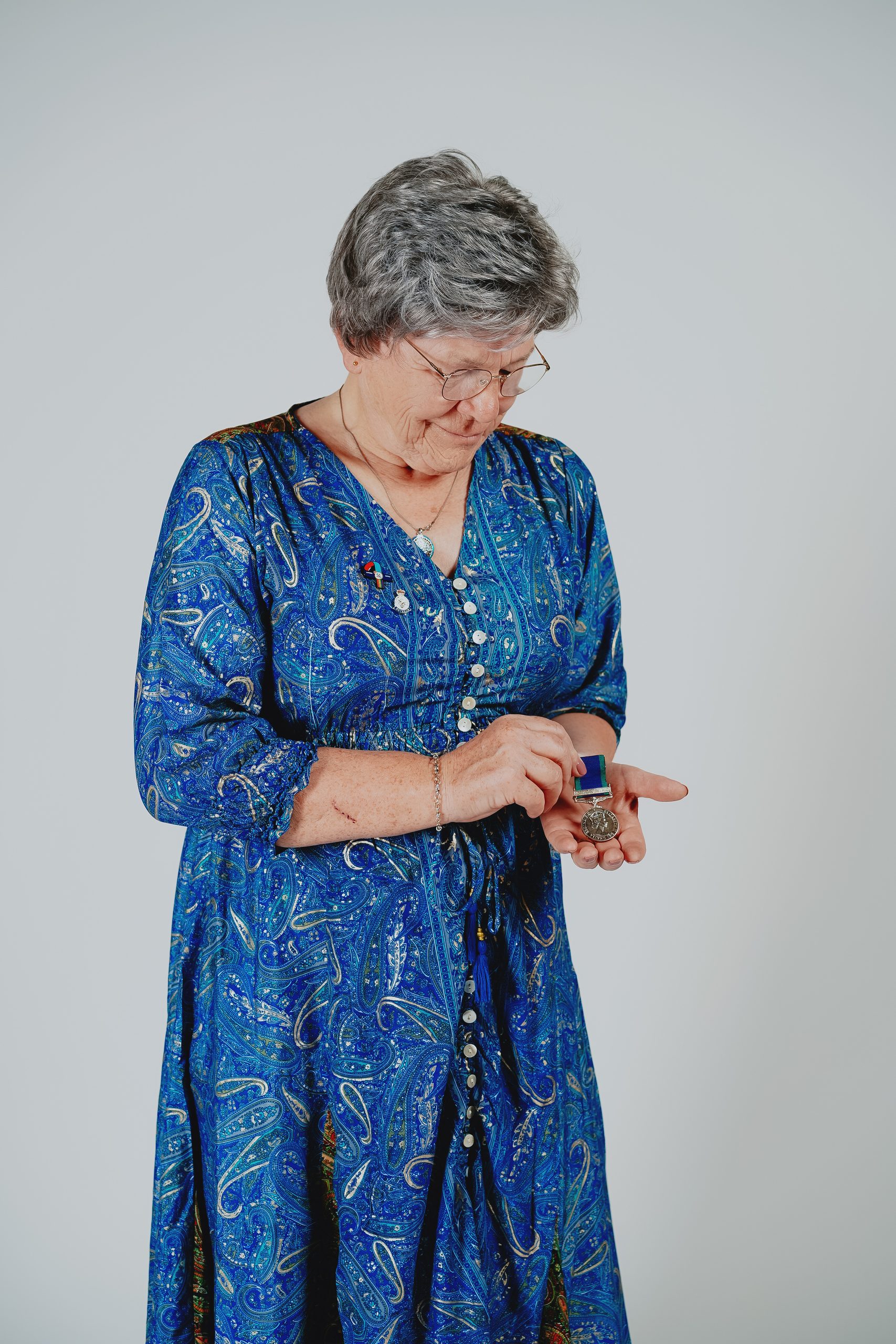
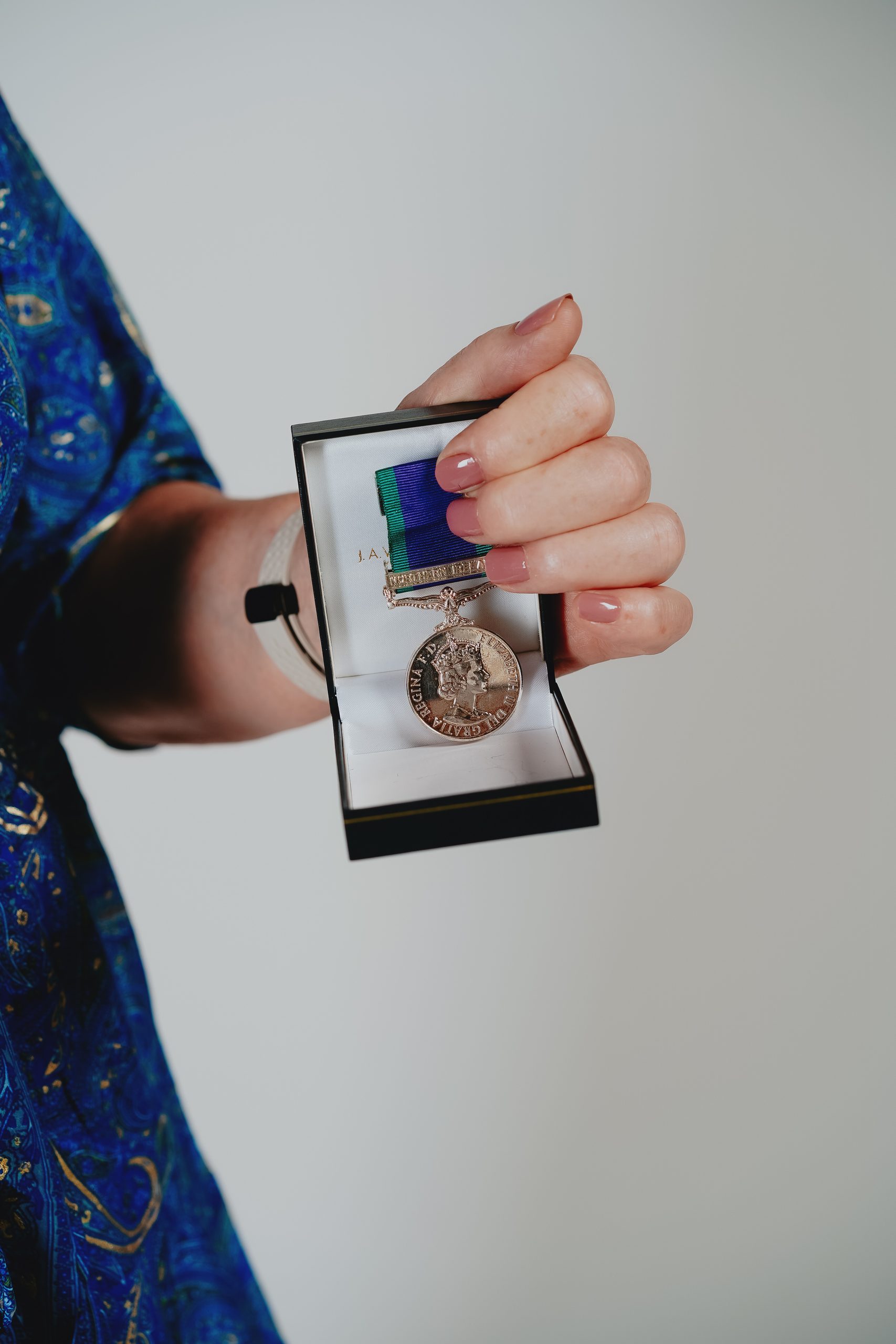
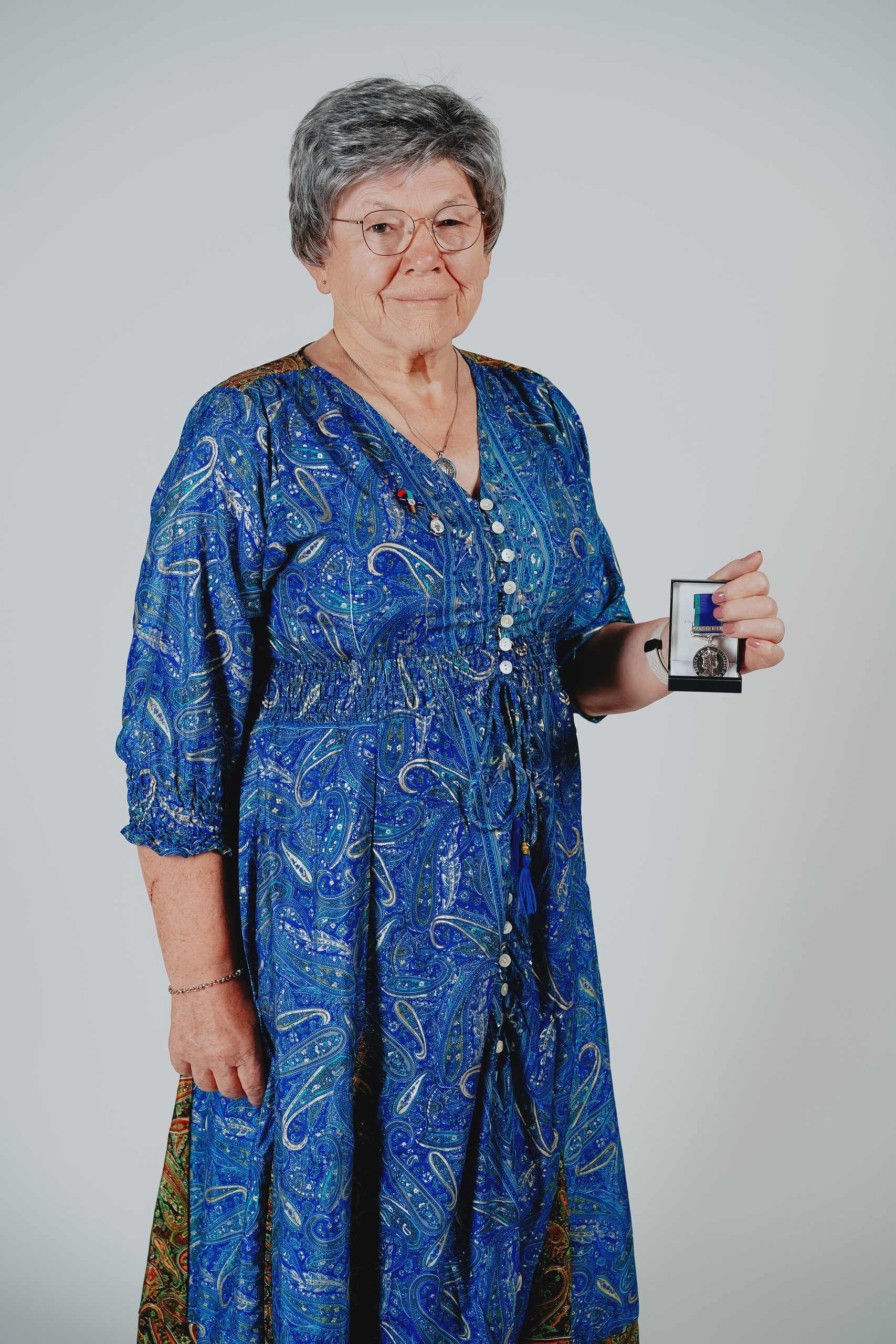
She received an apology from the Prime Minister, a handwritten letter from the Chief of the General Staff, a beret with her Royal Artillery badge and a veteran’s badge.
But one item has come to represent something particularly important: her Etherton Ribbon.
What recognition has meant.
For Claire, it addressed something that had been missing for decades: acknowledgement that she had served and that her service mattered.
That recognition became even more tangible when Claire returned to Royal Artillery Headquarters on Salisbury Plain.
She remembers being welcomed by senior members of the Royal Artillery and hearing the words:
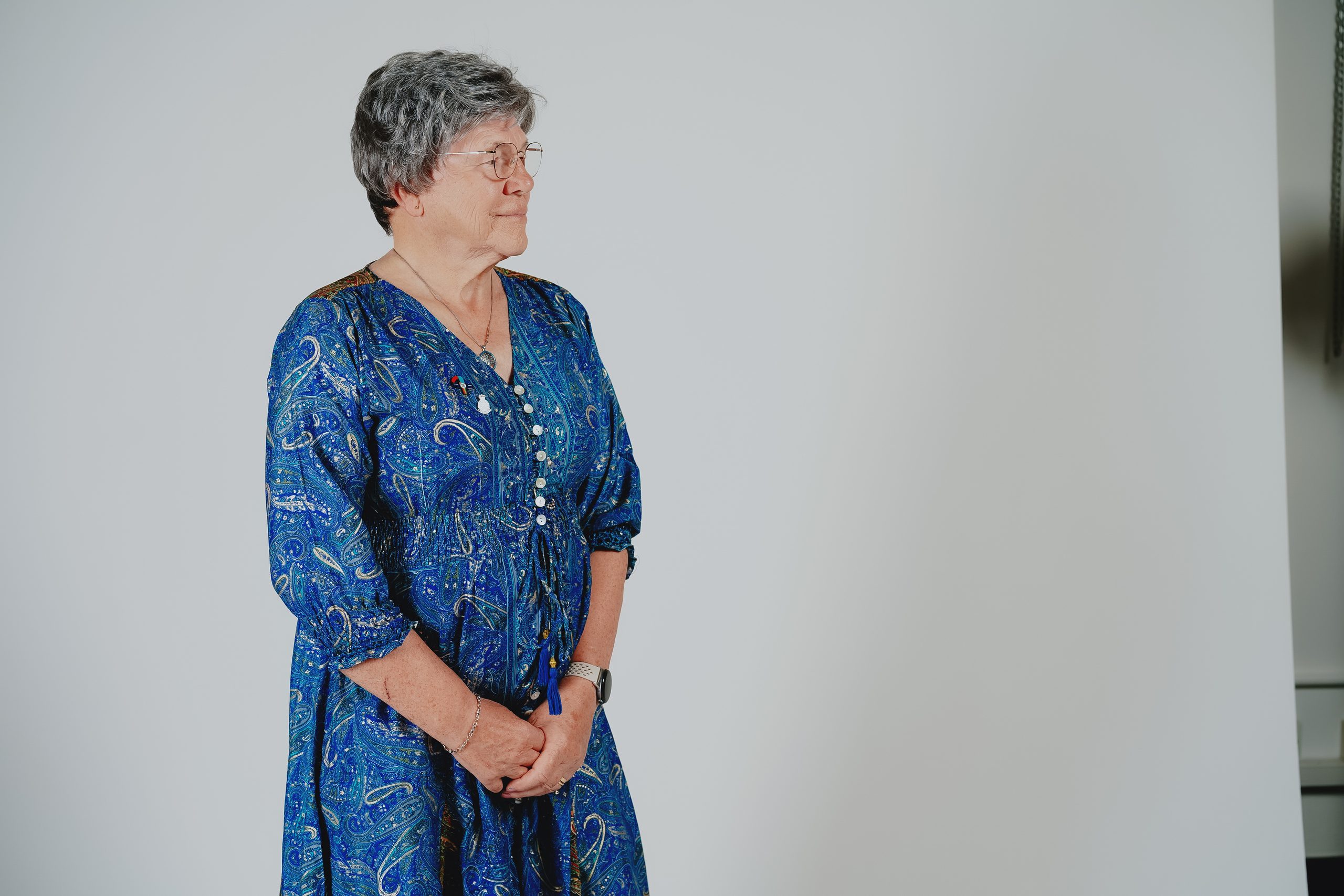
Today, when Claire attends military events, she wears her ribbon. She says that years earlier, she would not have dared to do so.
Recognition has helped give her the confidence to step forward rather than remain on the outside.
Applying for recognition.
Applying for recognition also meant revisiting experiences Claire had carried for more than half a century.
She found the practical application process relatively straightforward once she had navigated the government identification system. The much harder part was putting her experiences into words.
Some people, she says, might tell their story in a few dozen words. Claire wrote around 7,000.
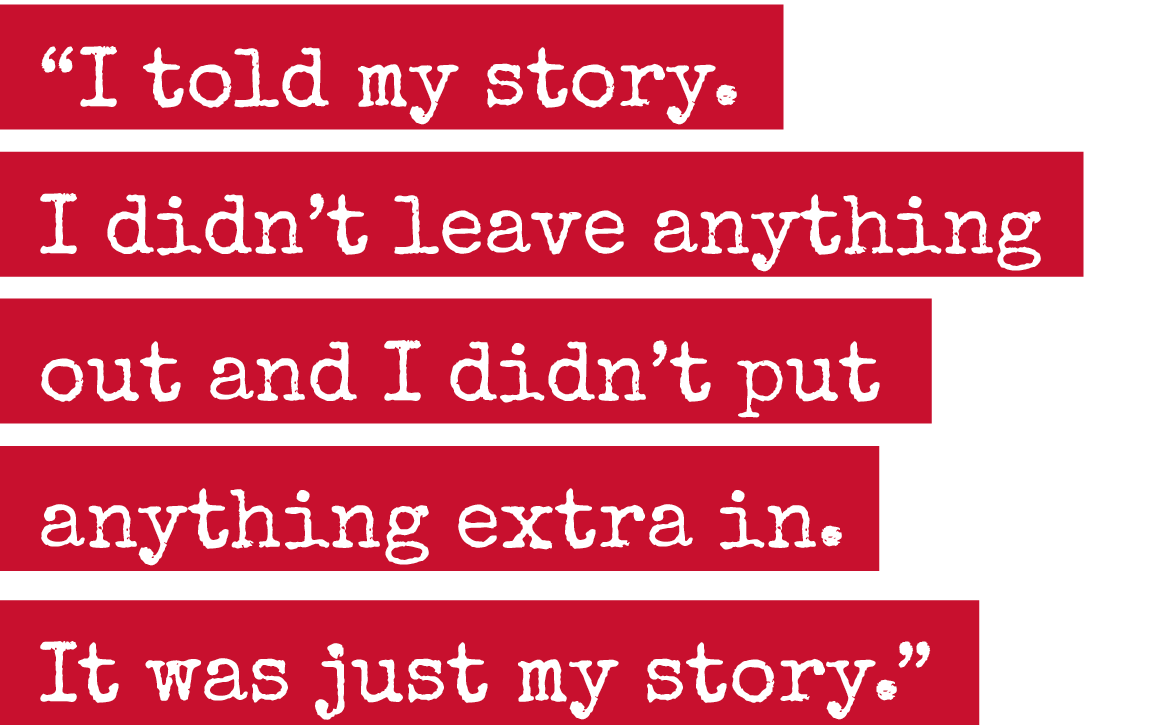
For Claire, writing it down ultimately brought a sense of relief.
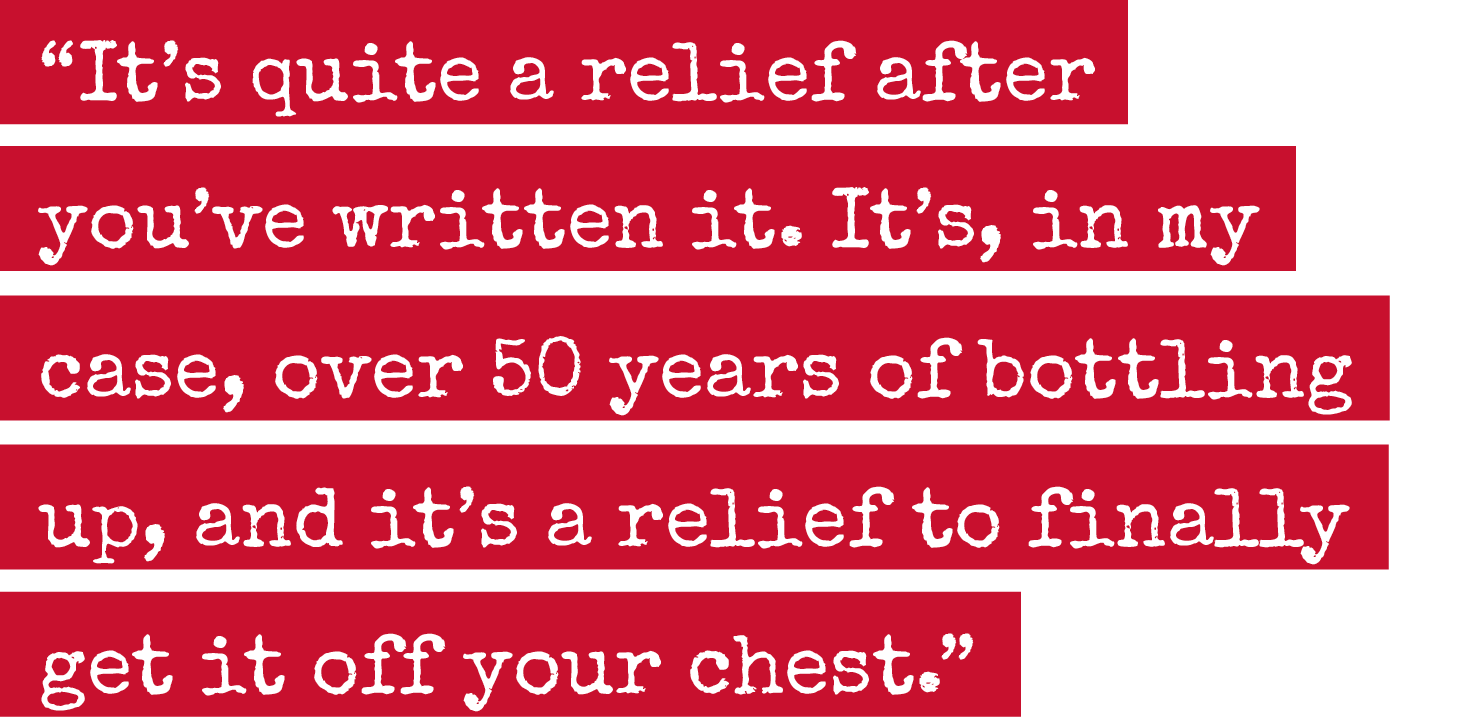
Claire is careful to acknowledge that this will not be everybody’s experience. She recognises that other veterans may find revisiting what happened extremely difficult and emphasises that help is available for those who need support putting their experiences into words.
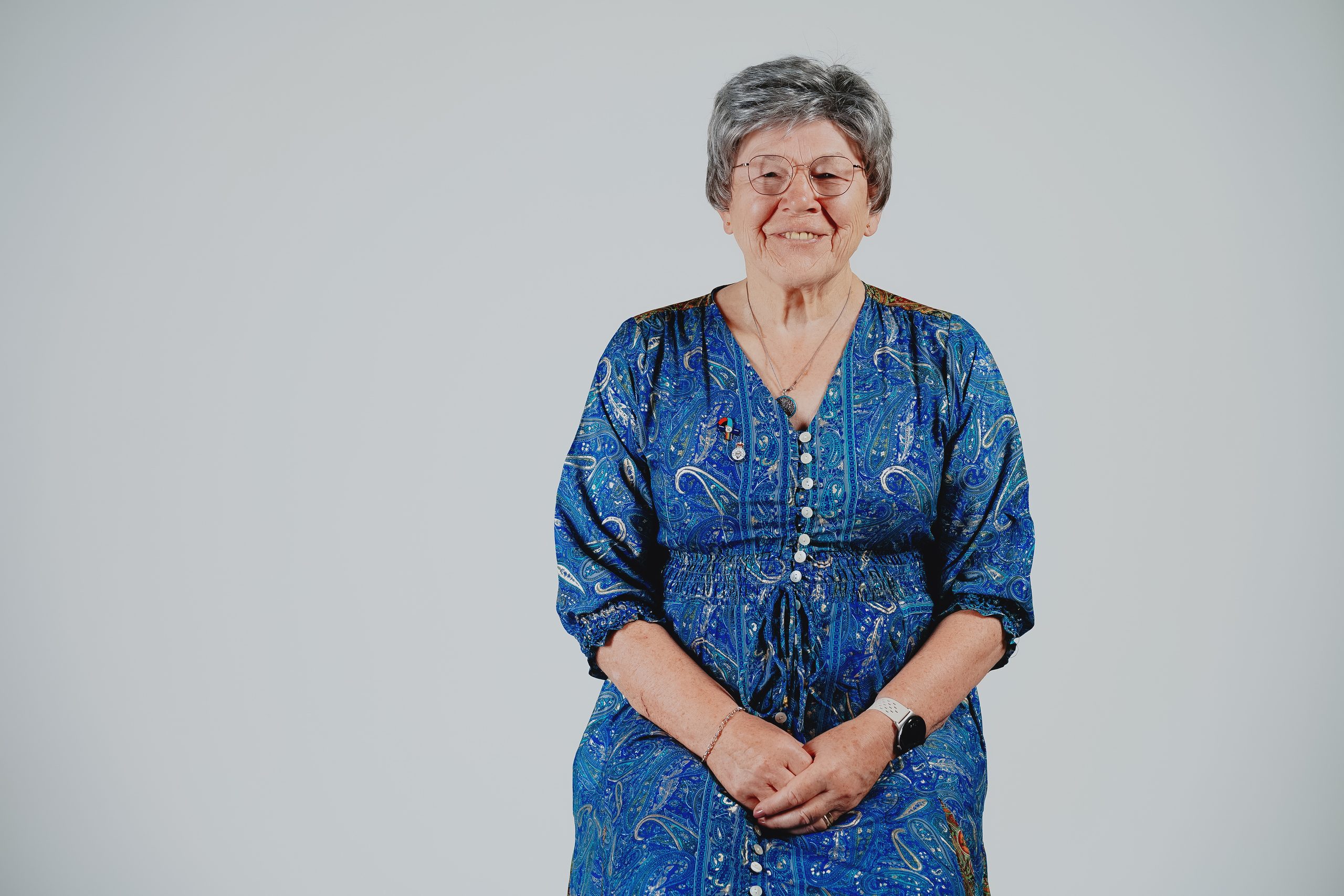
Claire’s message to other veterans.

Claire remains concerned that there are other people with experiences like hers who either haven’t heard about the recognition available or are reluctant to come forward.
She understands why revisiting the past can feel daunting. But having gone through the process herself, her message to other affected veterans is one of encouragement.
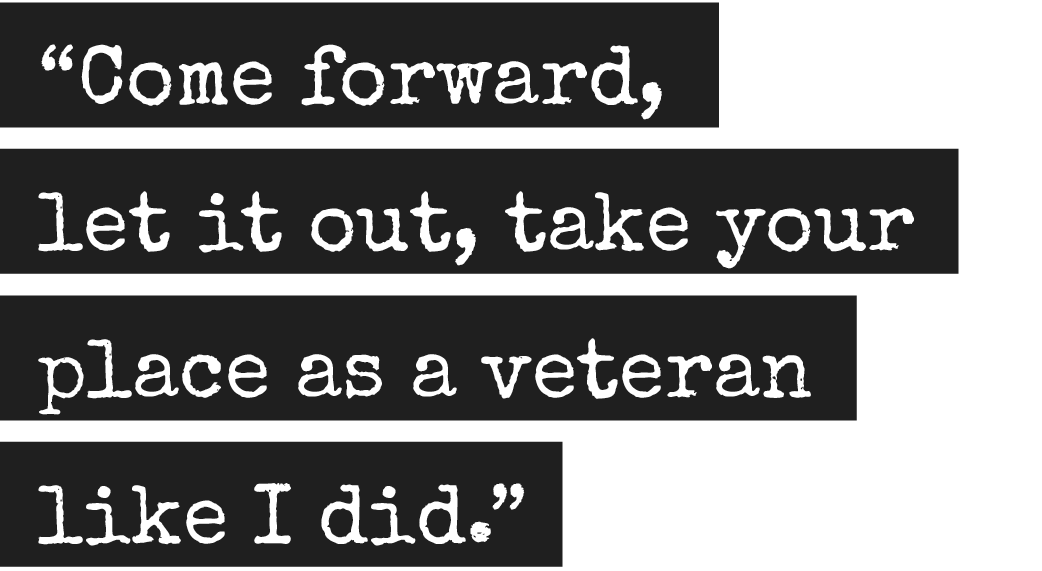
For Claire, that idea of taking her place is about more than an application.
For many years, she did not see herself as a veteran. Now she can attend military events wearing her Etherton Ribbon, return to the Royal Artillery and hear that she remains part of the community she once served in.
The circumstances in which her Army career ended cannot be changed.
But her service can be recognised.
And for Claire, knowing that her service had value has meant more than anything else.