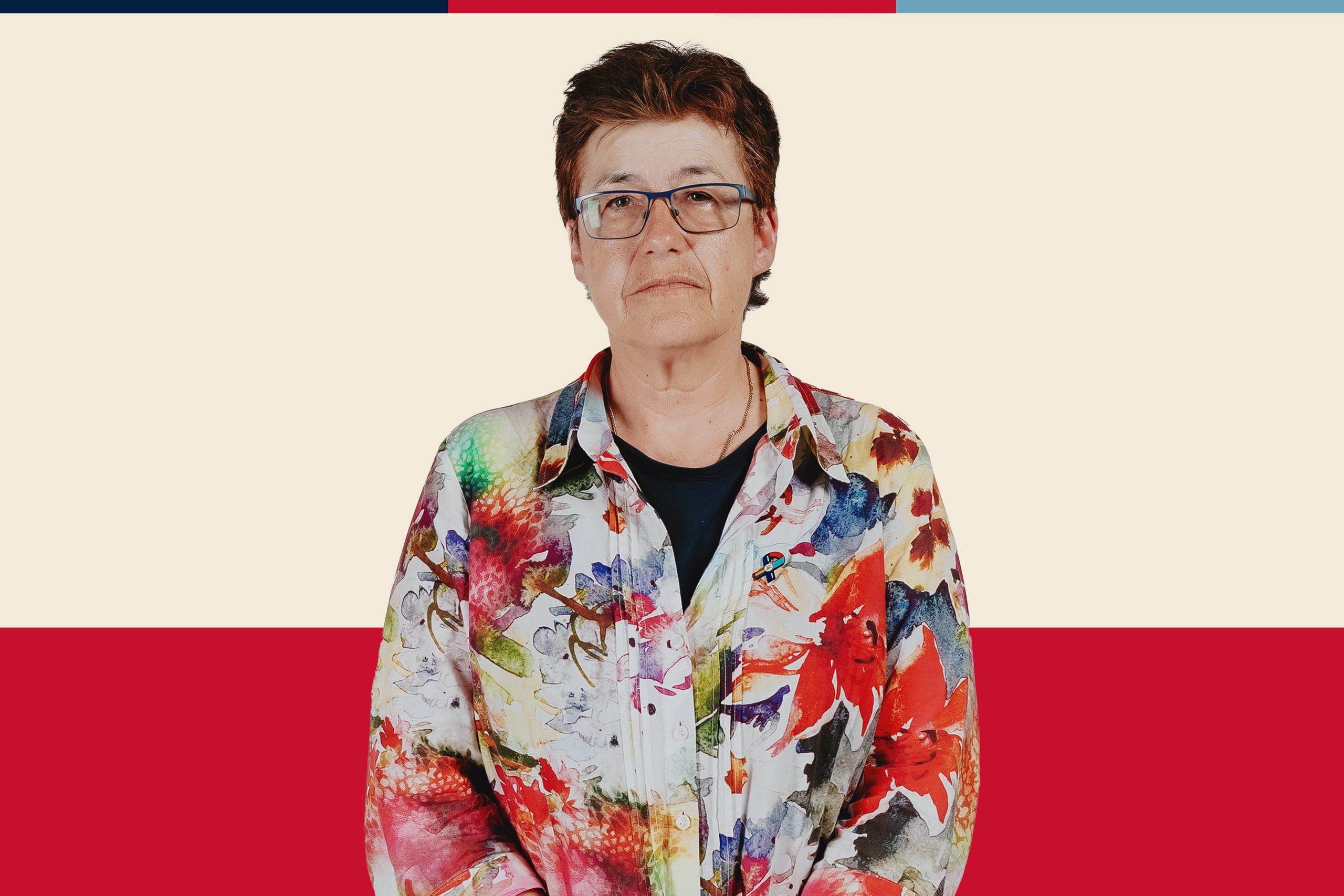
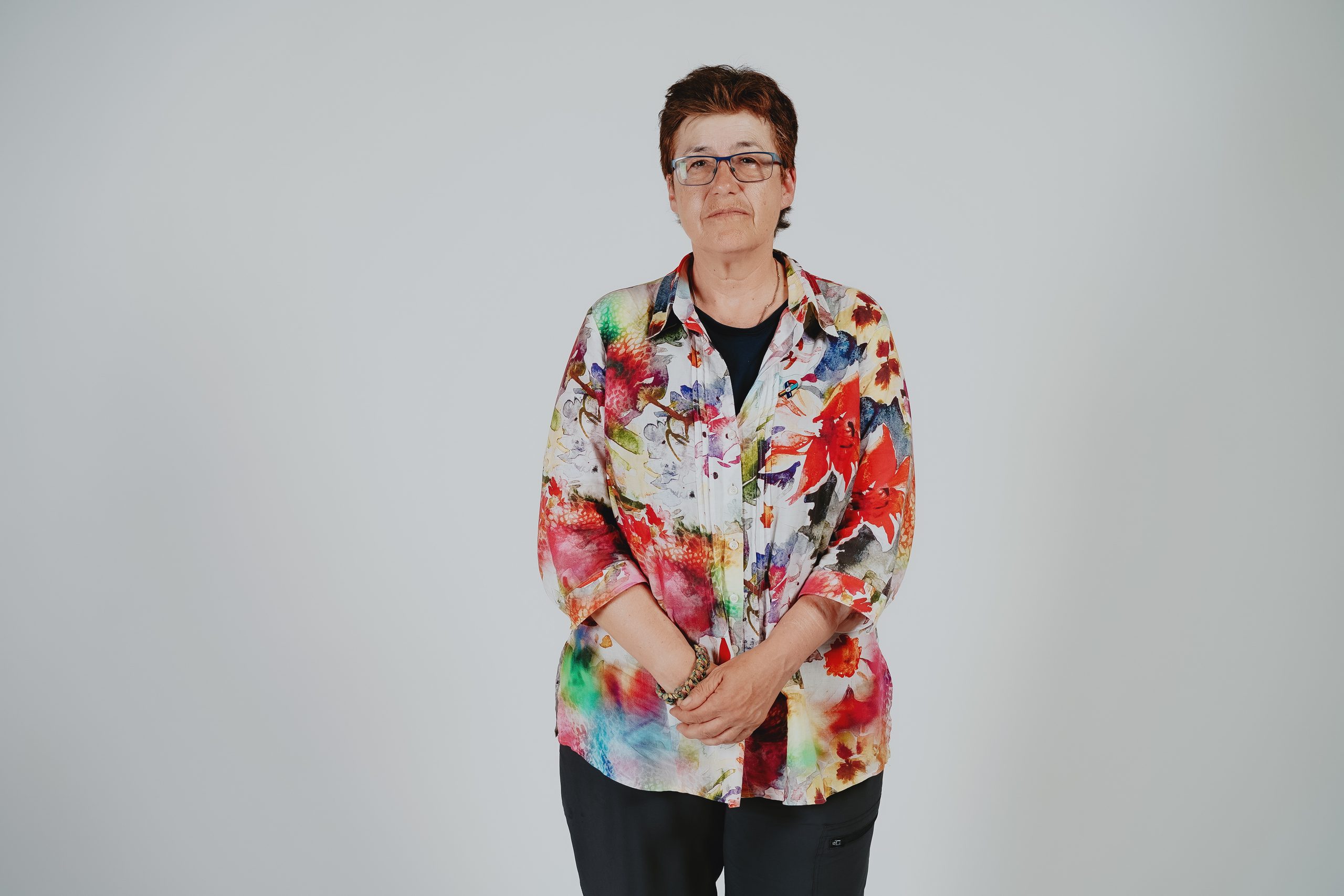
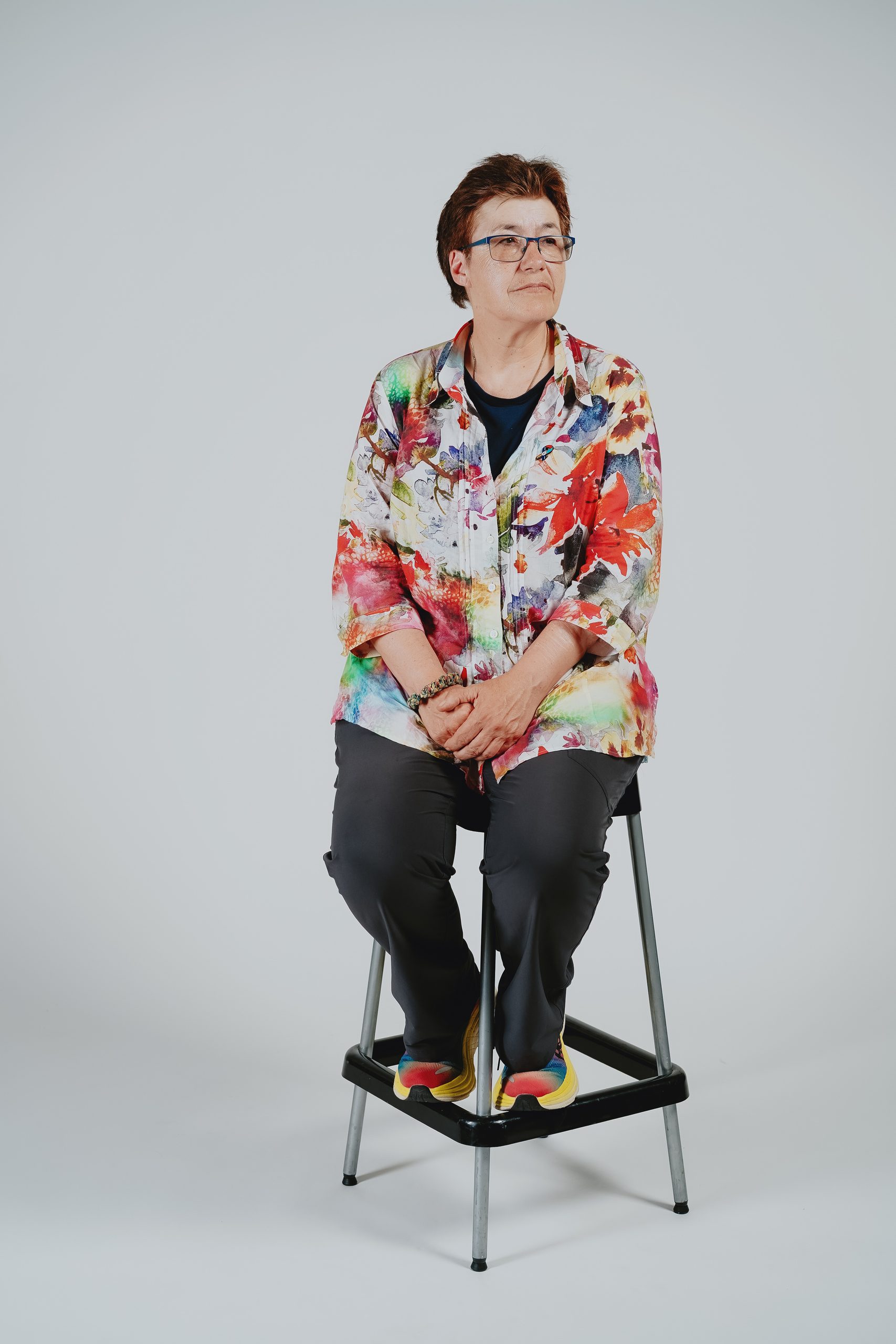
Jean’s story
Joining the Armed Forces.
Military service was part of Jean’s family long before she joined the Army herself.
Her father had been a Regimental Sergeant Major in the artillery, her mother served in the Royal Air Force during the war, and military service stretched back through her grandparents and great-grandparents.
For Jean, the attraction was about adventure, sport and the prospect of a good career. But there was something deeper too: a sense of belonging and an opportunity to serve
her country.
At 18, Jean joined the Women’s Royal Army Corps alongside her twin sister.
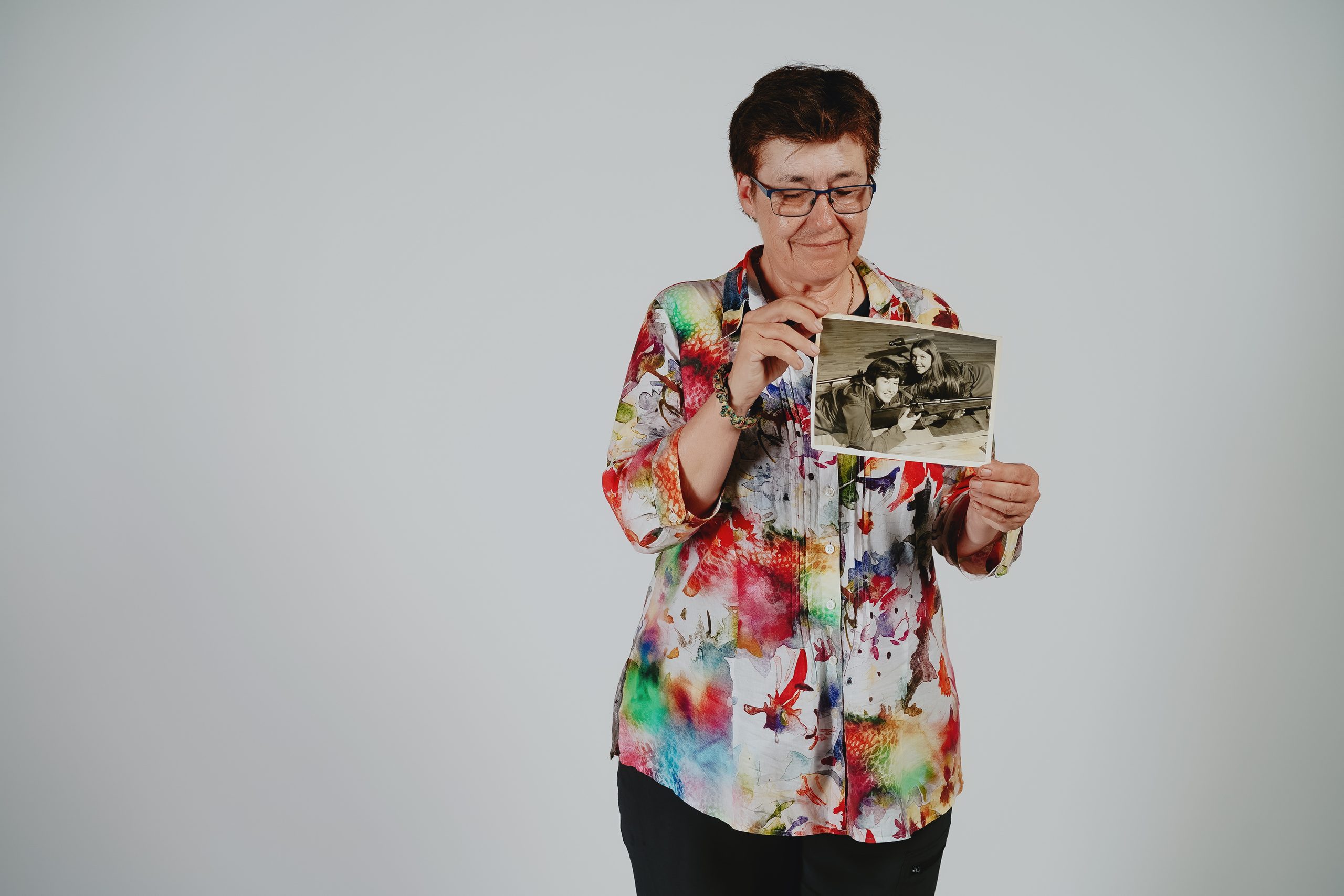
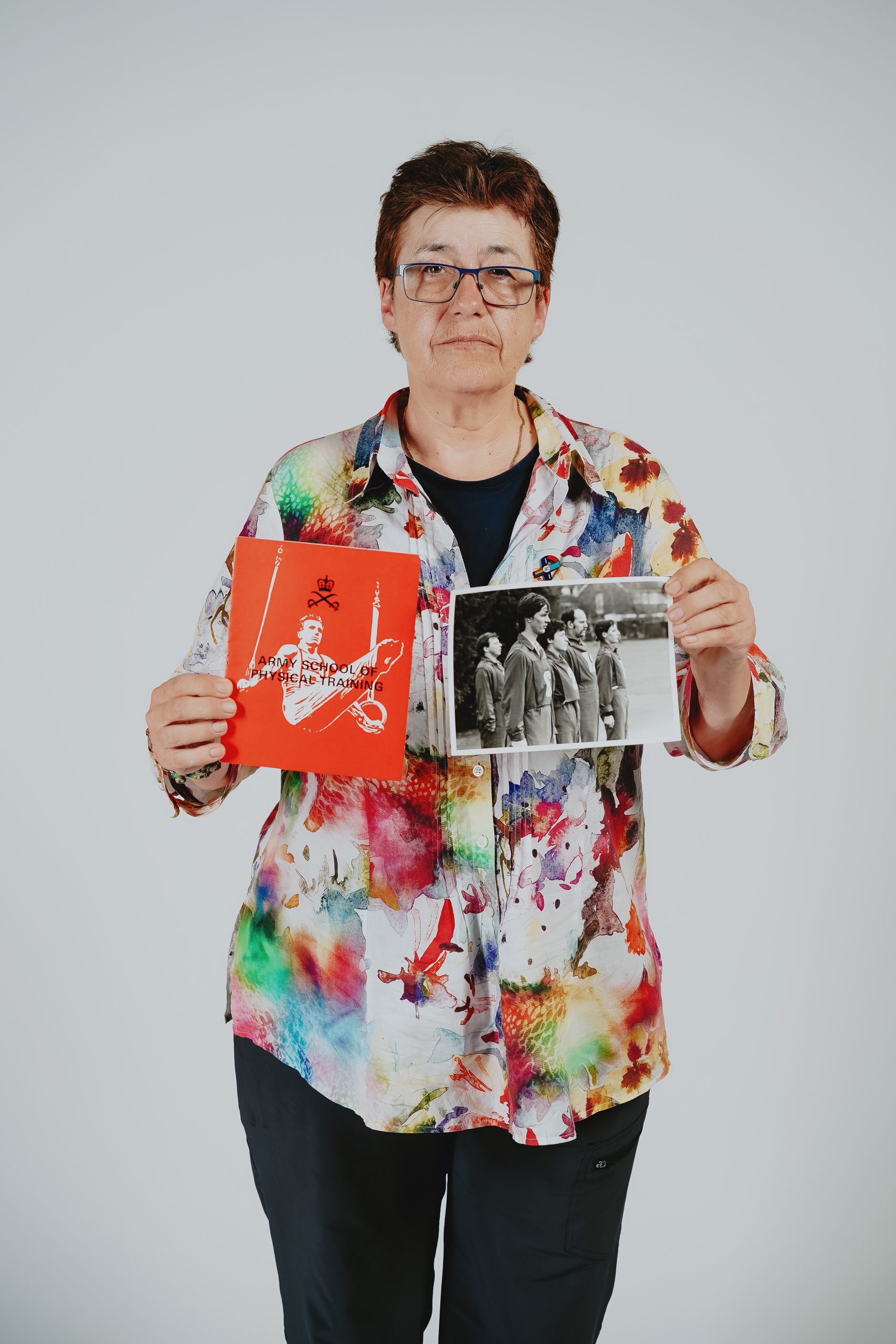
Jean completed her basic training in Guildford before training as a driver and being posted to Catterick Garrison. She and her twin sister later successfully applied to train as Physical Training Instructors – a role perfectly suited to Jean’s love of sport and physical activity.
Serving under the Ban.
Some of Jean’s earliest experiences in the Army left her feeling vulnerable and
traumatised.
She describes being subjected to unwanted sexual behaviour from male soldiers and, on one occasion, a senior officer. She also recalls an initiation where male soldiers restrained her and stamped her using a rubber stamp underneath her clothing.
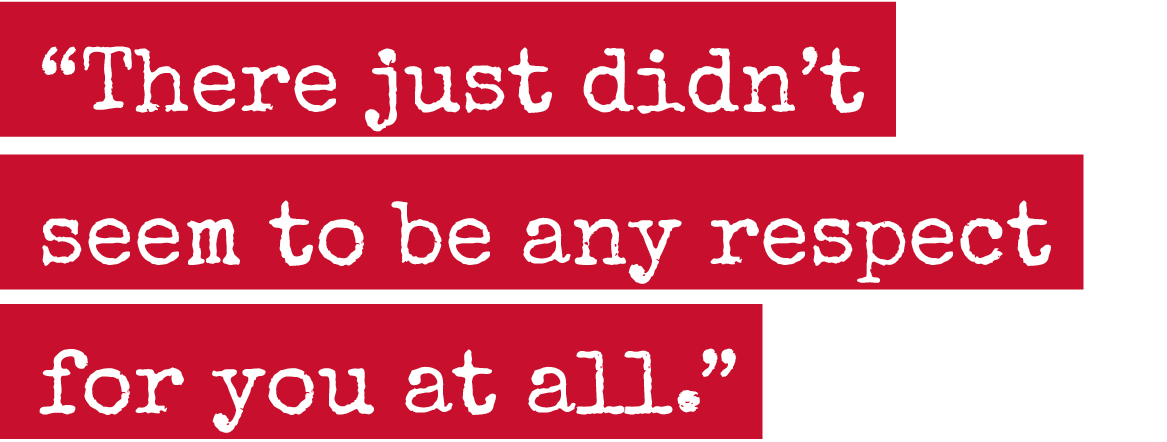
Jean felt unable to report it, believing she would be ostracised. She remembers a wider culture in which women were routinely sexualised and treated without respect.
Similar experiences continued during her PTI training, including inappropriate touching during exercises and having to change alongside male soldiers because of insufficient facilities.
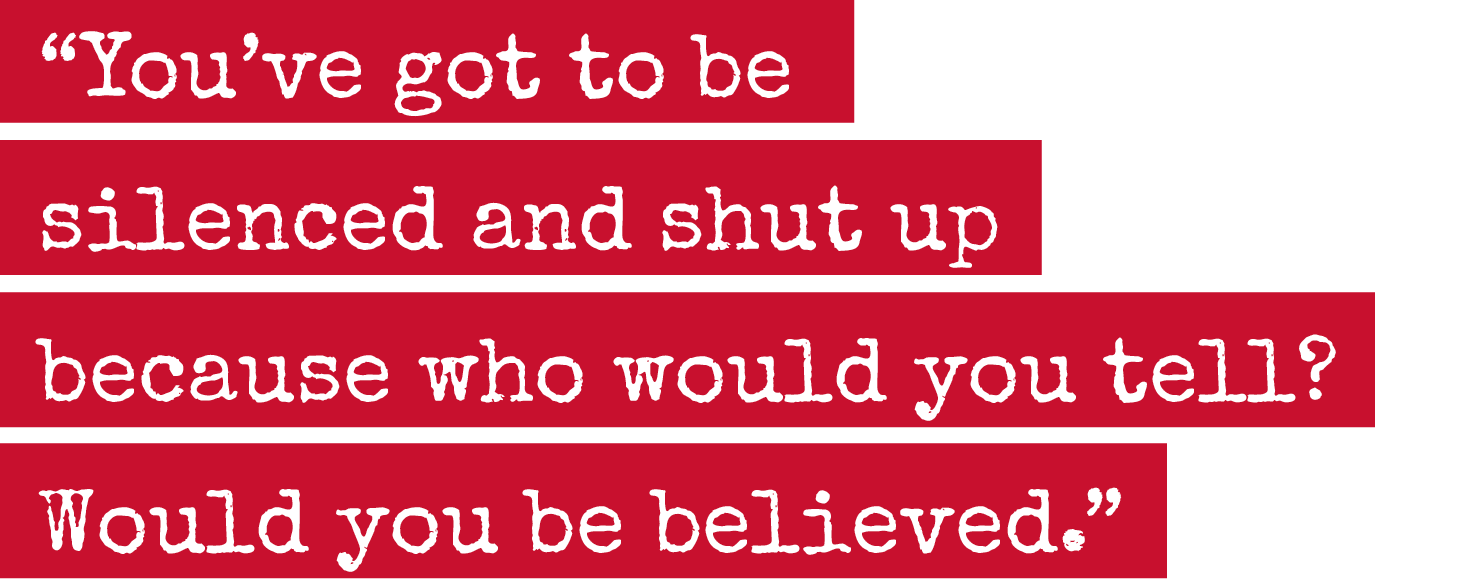
Jean felt speaking out simply wasn’t an option.
Despite everything, Jean loved the Forces, valued the camaraderie she shared with other women and felt a strong sense of belonging.
So she stayed.
Living with fear.
During her first posting, Jean discovered that her twin sister was gay. At the same time, she was beginning to question her own sexuality.
Later, while serving as a PTI in Guildford, Jean began exploring a relationship with
another woman. But being open about it was not possible.
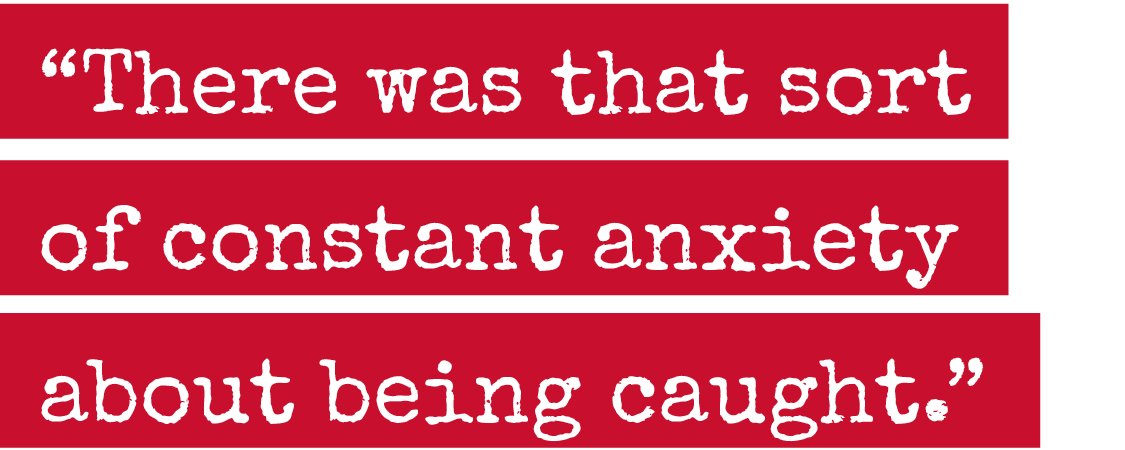
She remembers attending gay discos and signing in under a false name because she
knew the Special Investigation Branch could be watching.
Even somewhere she should have felt safe, she was constantly looking over her
shoulder.
It was the beginning of what Jean later described as living a double life.
Jean eventually moved to the Royal Army Educational Corps at Beaconsfield, where her career was progressing well. She had completed an upgrade course and hoped to be promoted to corporal.
Then rumours began circulating that the Special Investigation Branch was coming to investigate women suspected of being gay.
Six names were called forward.
Jean’s was one of them.
The investigation & interrogation.
Jean was called to the administration block and made to wait in a busy corridor for
around an hour.
She says everybody knew why she was there. It was humiliating.
Inside, two female SIB investigators were waiting. Jean remembers one telling her:
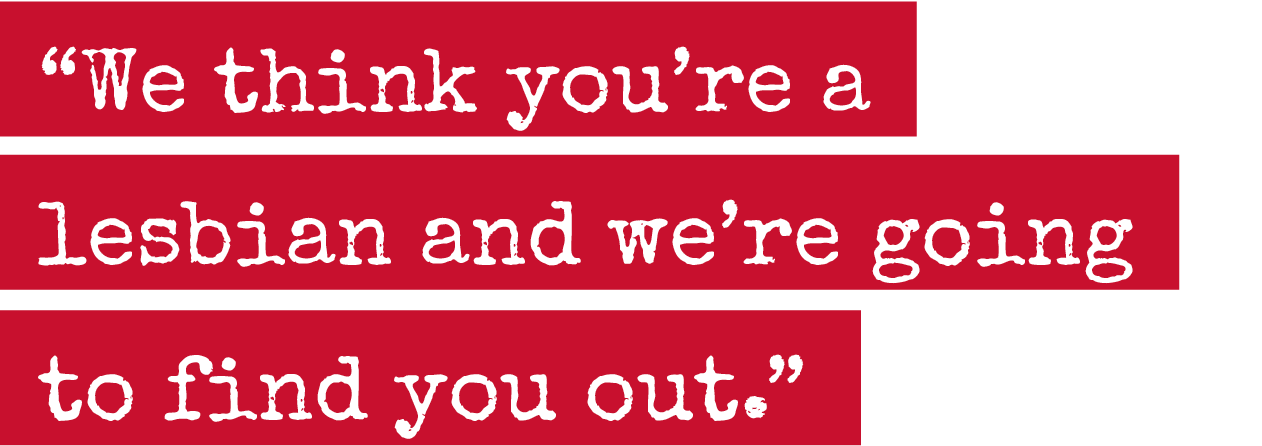
Jean was frightened and shaking.
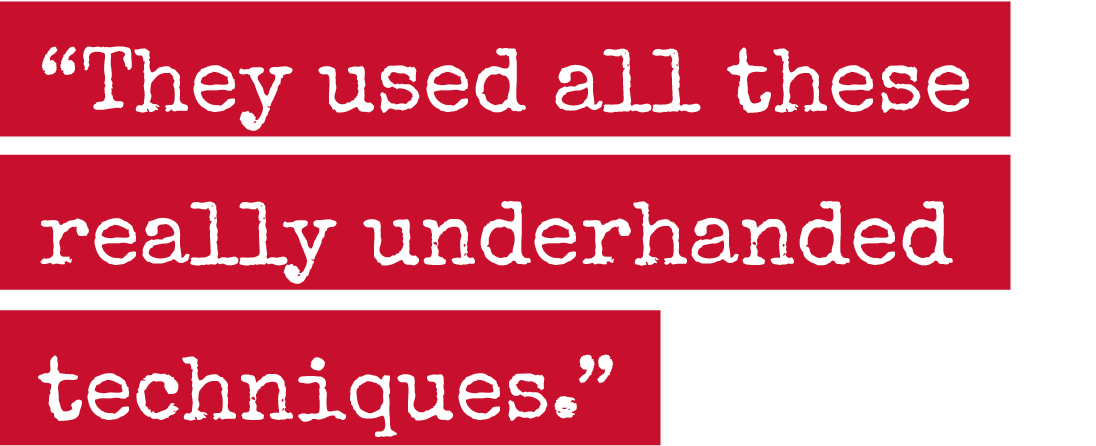
She was marched back to her room, where investigators searched through her
belongings. They examined her clothing, records, letters and photographs, even taking down a Tina Turner poster and using it as supposed evidence of her sexuality.
The following morning, Jean faced a six-hour interrogation without proper breaks or anyone to represent or support her.
She recalls investigators threatening to pursue her twin sister and tell her widowed mother if she did not admit she was gay. They also asked deeply intrusive questions about her sex life.
Eventually, Jean signed a statement, which she says she did under duress
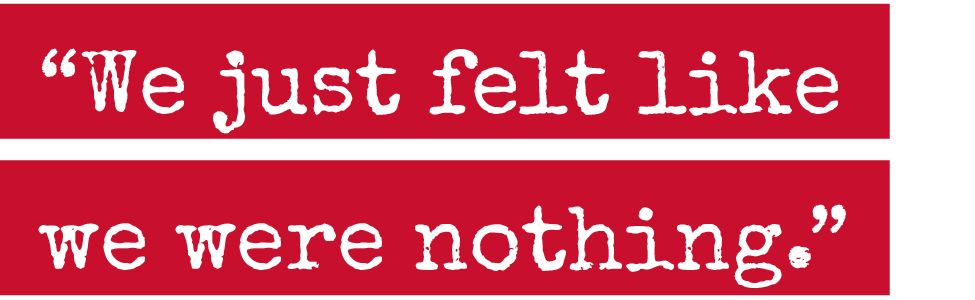
Five women ultimately faced discharge. The investigation also reached the national media, and Jean remembers a newspaper article being displayed on the camp noticeboard under the words “joke of the week.”
The atmosphere became so hostile that the women were told their safety on camp could not be guaranteed.
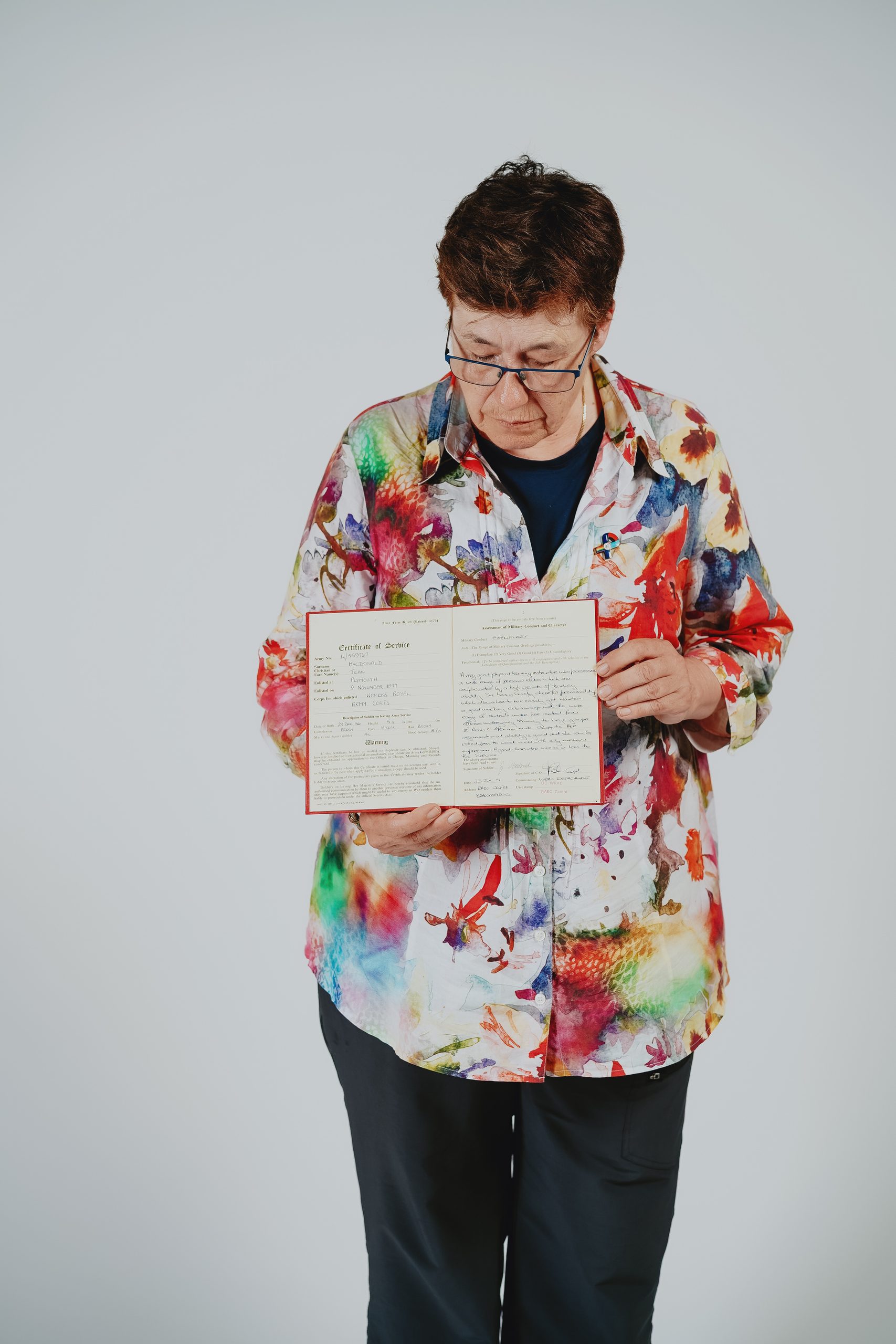
Fighting to keep her career.
Jean was sent to a military hospital to see a psychiatrist as part of the discharge
process, which she says took around four months.
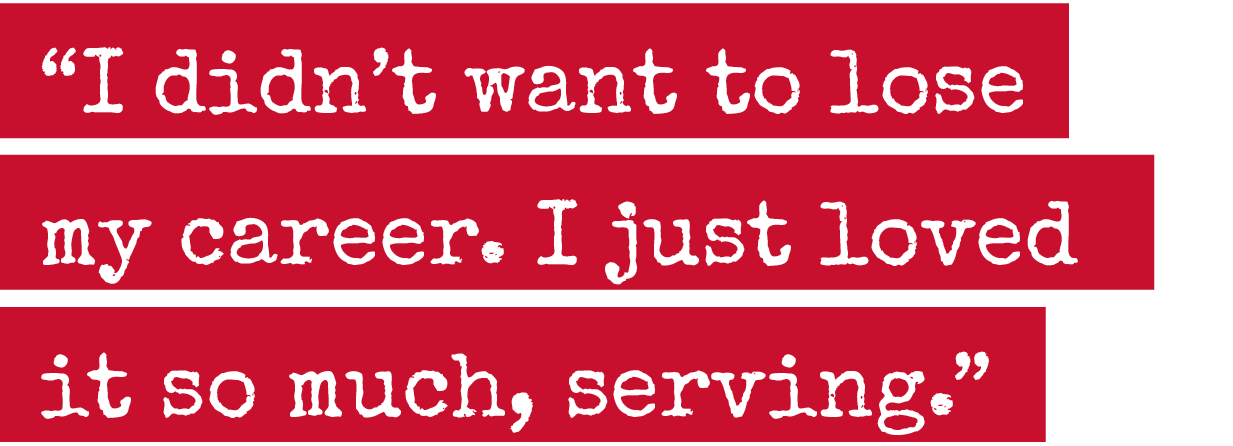
For someone who loved serving, those months were spent knowing that the career she wanted was being taken away.
Desperate to delay her discharge, Jean and another woman attempted to break Jean’s wrist, hoping an injury might delay the medical process.
Her wrist was fractured, although the injury was not identified until after she had left.
Jean still struggles to comprehend reaching a point where hurting herself seemed like a way to protect her career.
Life after service.
When Jean was eventually discharged, she says she was given a one-way ticket home
and no support.
She had lost her career, her friends and her home.
Jean had not told her widowed mother what had happened. When she arrived home and explained she was no longer a lance corporal, her mum initially thought she had been promoted. Jean had to explain that this was far from the reality.
Her mother was supportive, but Jean carried a deep sense of shame.
Years later, she found a card her mum had given her before she joined the Army, telling her how proud she was. It was a painful reminder of how differently Jean now felt about herself.
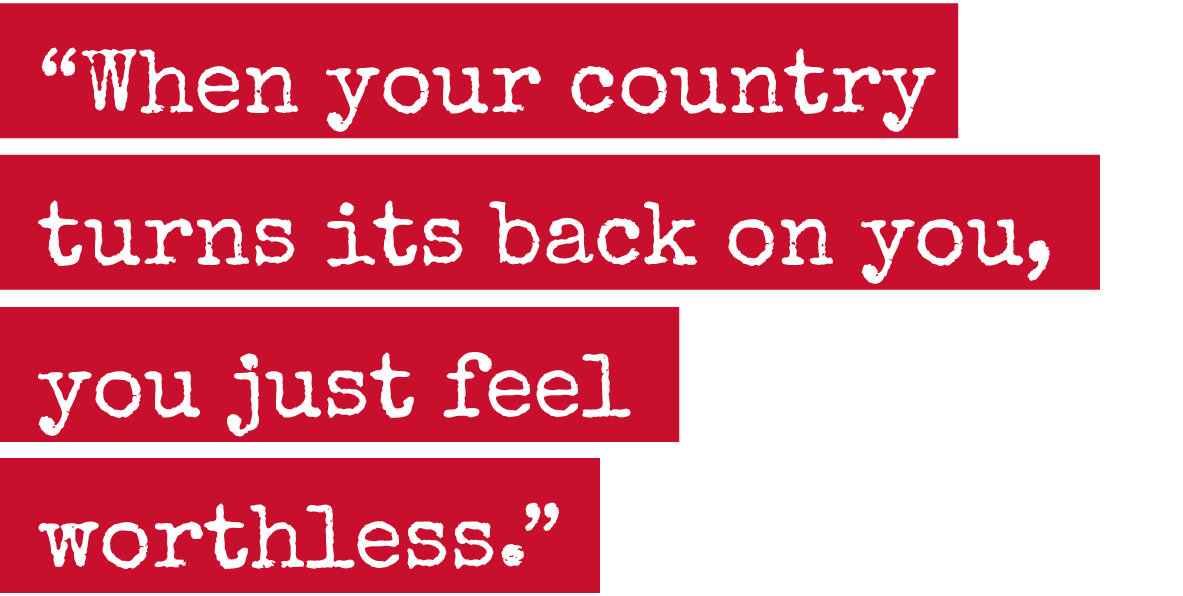
For Jean, the consequences of the Ban extended far beyond her time in uniform. Her whole life was impacted.
Jean eventually rebuilt a career, qualifying as a physiotherapist. But the secrecy she had learned in the Army followed her into civilian life.
At college, she continued hiding her sexuality, fearing people would reject her if they knew. For years, Jean struggled to accept her sexuality and build relationships.
The long-term impact.
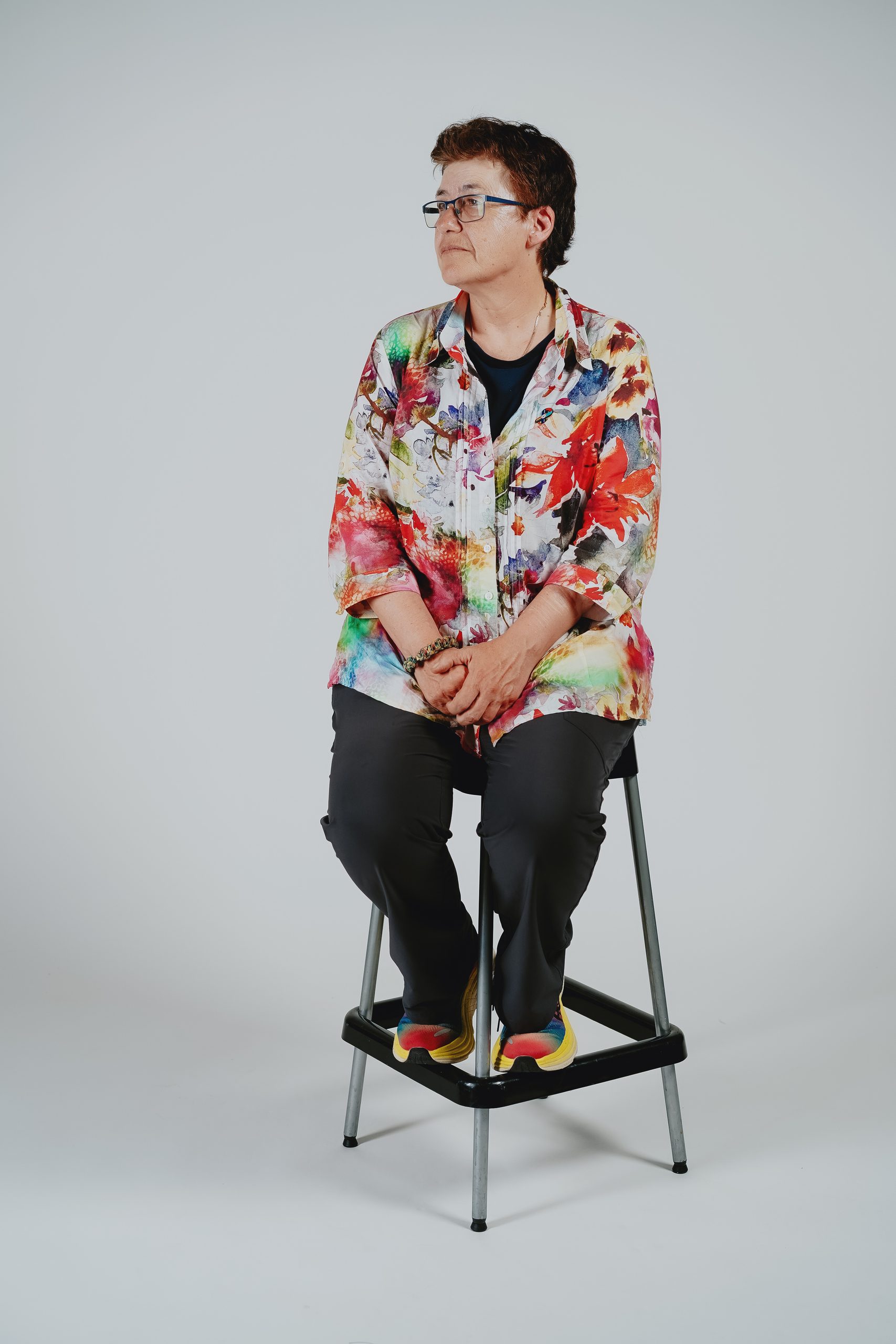
Jean speaks openly about the serious effects her experiences had on her mental health.
Following her mother’s death, the trauma she had carried became increasingly difficult to contain.
Over the years, Jean experienced severe depression, alcohol and drug use, self-harm, eating difficulties and repeated mental health treatment. She also survived suicide attempts.
For a long time, she was frightened to live independently because she did not trust
herself.
Jean sees these experiences as part of the lasting impact of what happened to her.
For decades, approaching a military charity never occurred to her. She assumed she
would not be welcome.
The words “services no longer required” remained on her service record, and Jean felt the stigma of her discharge continued to follow her.
Recognition and reconnection.
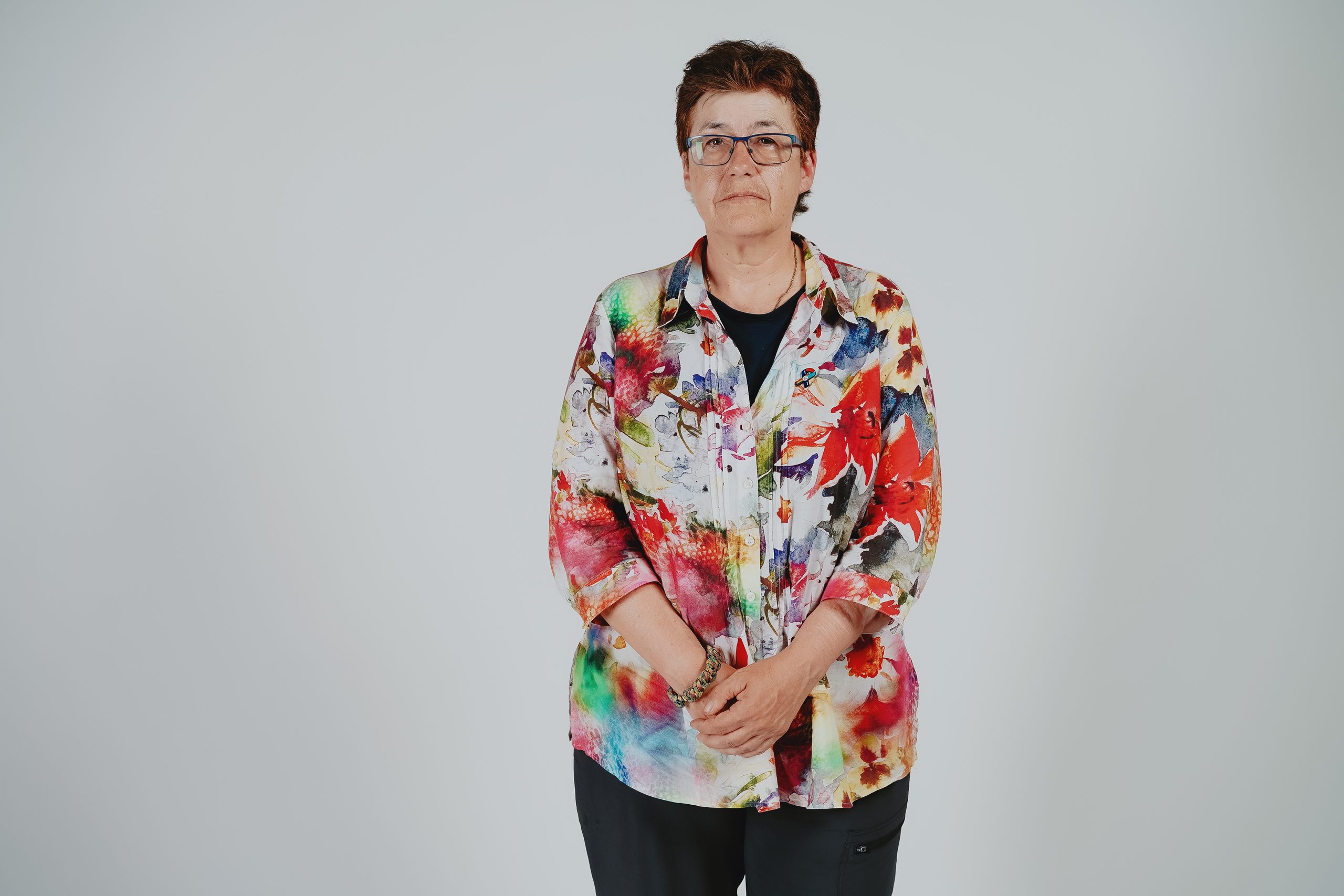
Jean describes finding Fighting With Pride as a turning point.
The organisation connected her with other LGBT+ veterans affected by the Ban and
helped create a route back towards a community she had believed was closed to her.
Jean credits Fighting With Pride, its founders Craig Jones and Caroline Paige, and the Independent Review led by the late Lord Etherton with helping bring about meaningful change.
She knows nothing can return the years people lost. But for Jean, recognition has
offered an opportunity to confront the shame she carried and reconnect with her
identity as a veteran.
Returning to the veteran community.
One of the most meaningful parts of the process for Jean has been reconnecting with other veterans.
She describes receiving her cap badge and Etherton Ribbon and the welcome she received from the Women’s Royal Army Corps community.
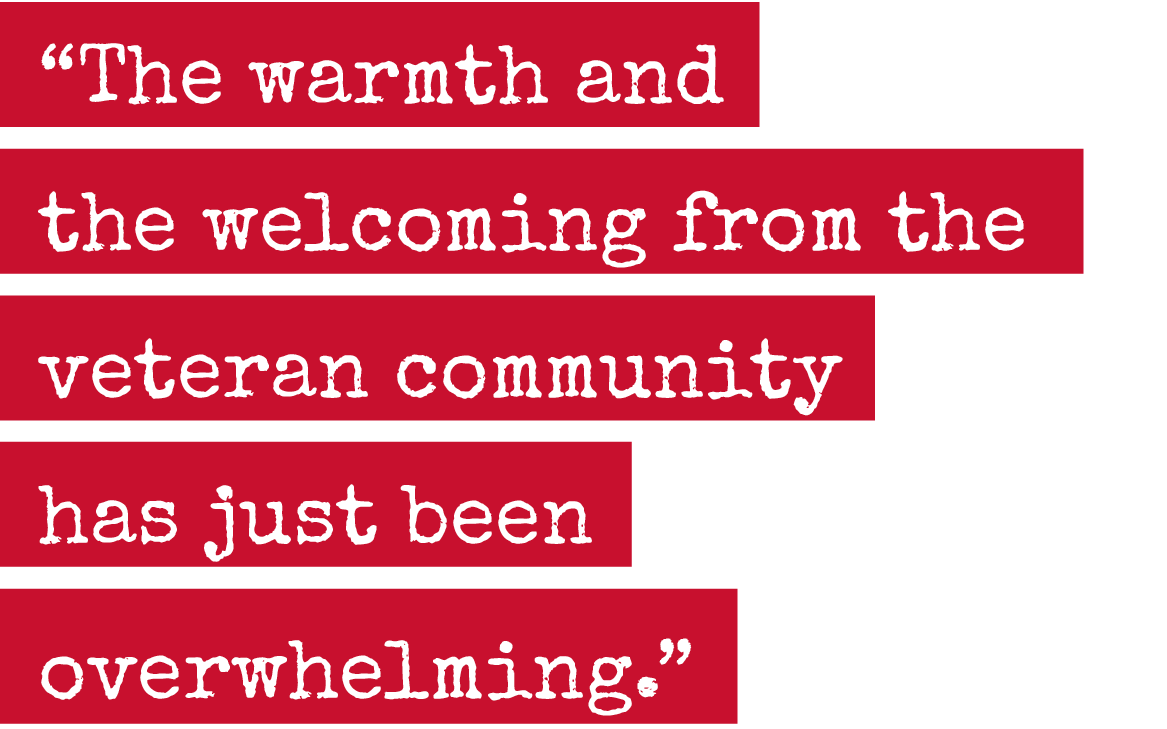
Jean is now part of a WhatsApp group with 13 other veterans, and they have even been on holiday together.
It has brought back something she remembers fondly from her time in service: camaraderie.
For someone who once believed the veteran community would reject her, that sense of belonging has been incredibly significant.
Facing rejection again.
Jean’s original discharge was not the end of her experience of the Ban.
At 25, while studying to become a physiotherapist, she decided to join the Territorial Army.
When asked about the words “services no longer required” on her previous service record, Jean did not disclose that she had been discharged for being gay.
She was accepted and served for around four months.
Then she was called into the commanding officer’s office. Her previous service history had been discovered.
Jean remembers being told:
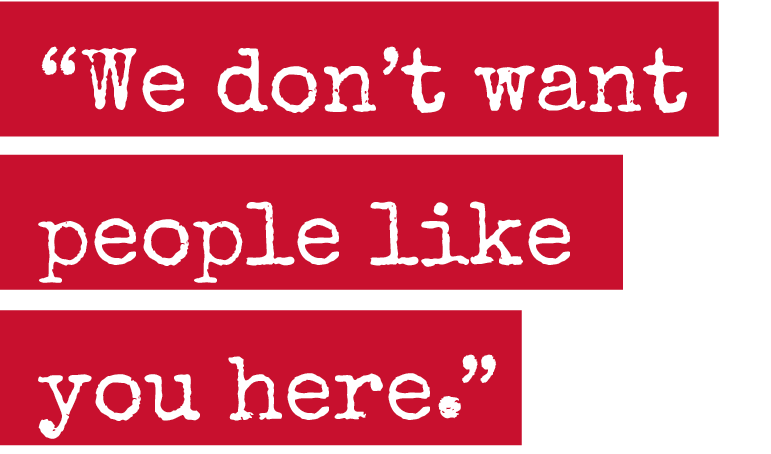
She was immediately required to leave, without even being able to say goodbye to those she had served alongside.
Once again, Jean had found her way back into military service.
And once again, being gay meant it was taken away.
Jean’s message to other veterans.
Jean understands why coming forward can feel daunting, particularly for those who
have spent decades trying not to revisit their experiences.
But she wants others to know that their experiences deserve recognition, regardless of how they compare with somebody else’s.
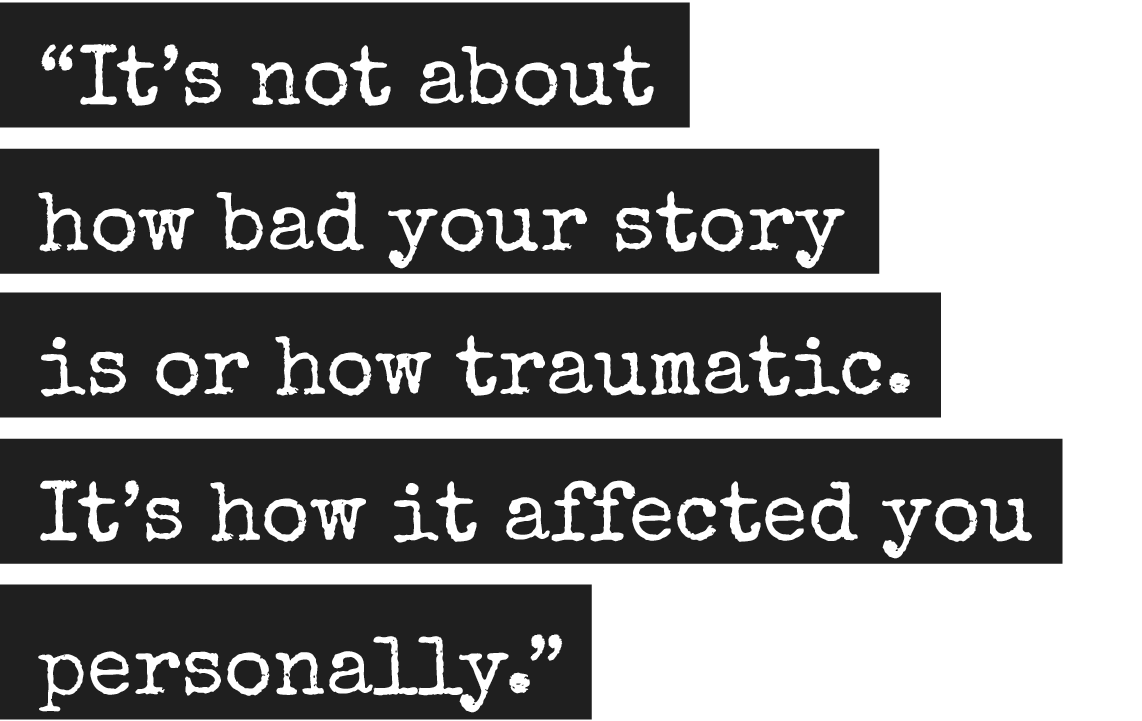
Jean encourages anyone who recognises something of their own experience in hers to find out what recognition and support may be available.
For Jean, the process has meant confronting difficult memories. But it has also meant being welcomed back into a community she thought she had lost forever.
The young woman who joined the Army looking for adventure, camaraderie and
belonging had that sense of belonging taken from her.
Decades later, she is beginning to experience it again.
Her message to others affected by the Ban is simple: