Lee’s story
Joining the Armed Forces.
For Lee, joining the Army was never simply a career choice.
He came from a military family. His mother had served in the Navy, his father had served during the Second World War, and his brother had joined the same regiment Lee would eventually serve with.
From a young age, Lee knew exactly what he wanted to do.
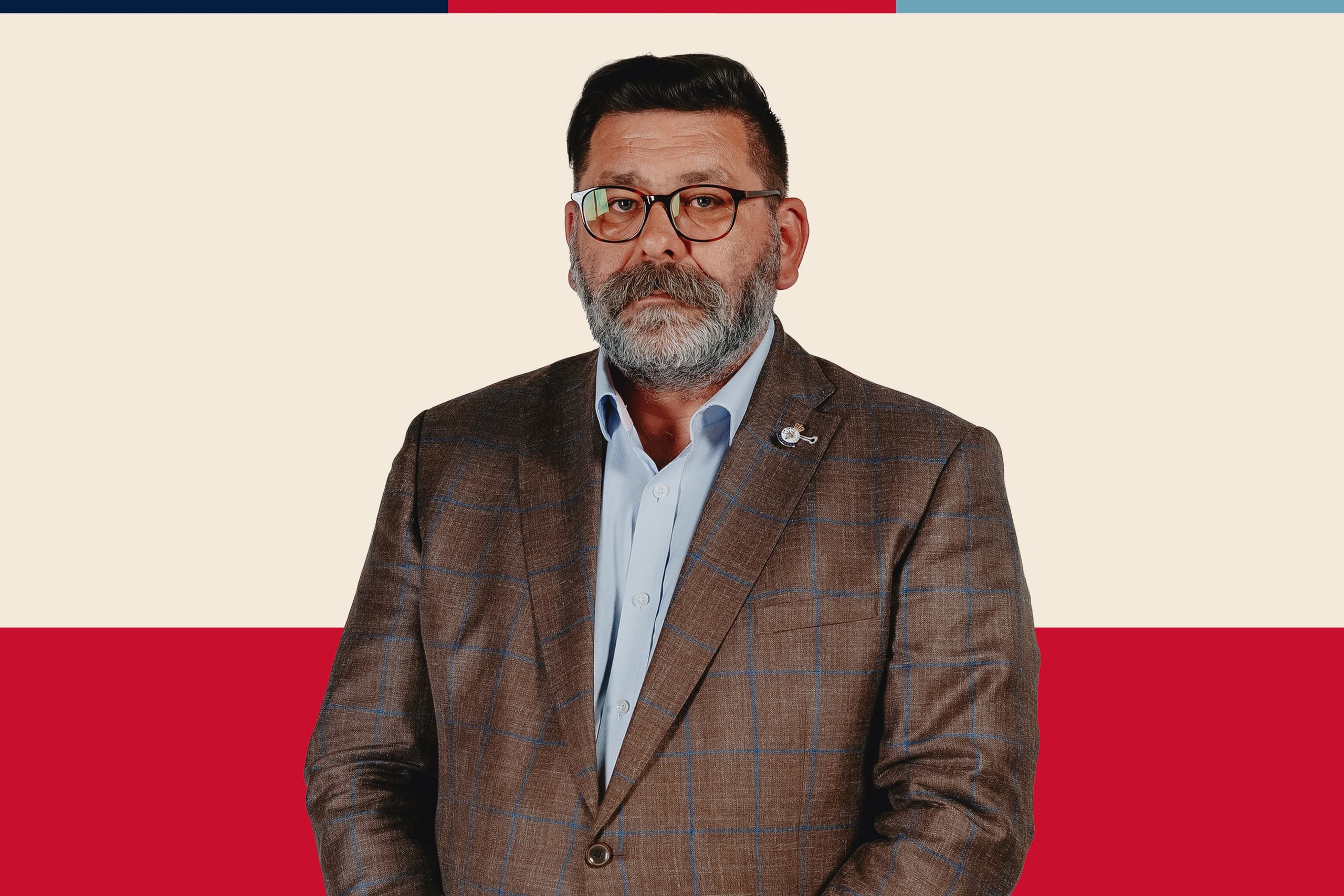
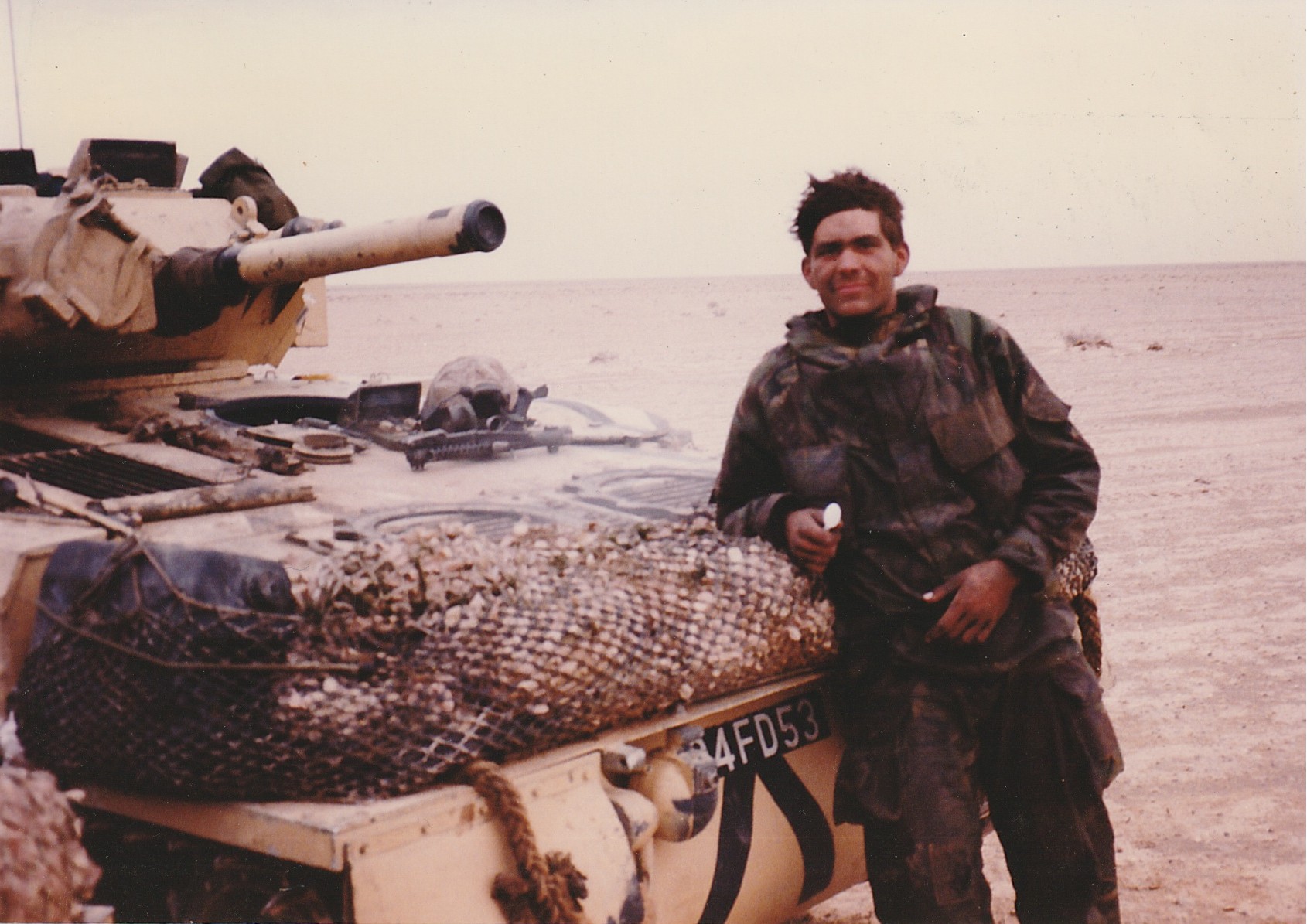
At 16, he joined the Army as a Junior Leader in the Royal Armoured Corps. After a year of intensive leadership training, he joined the 17th/21st Lancers in 1987 as a tank crewman.
Lee had grown up in a family where duty mattered. Serving his country felt like a natural extension of that.
It was, he says, much more than a career.
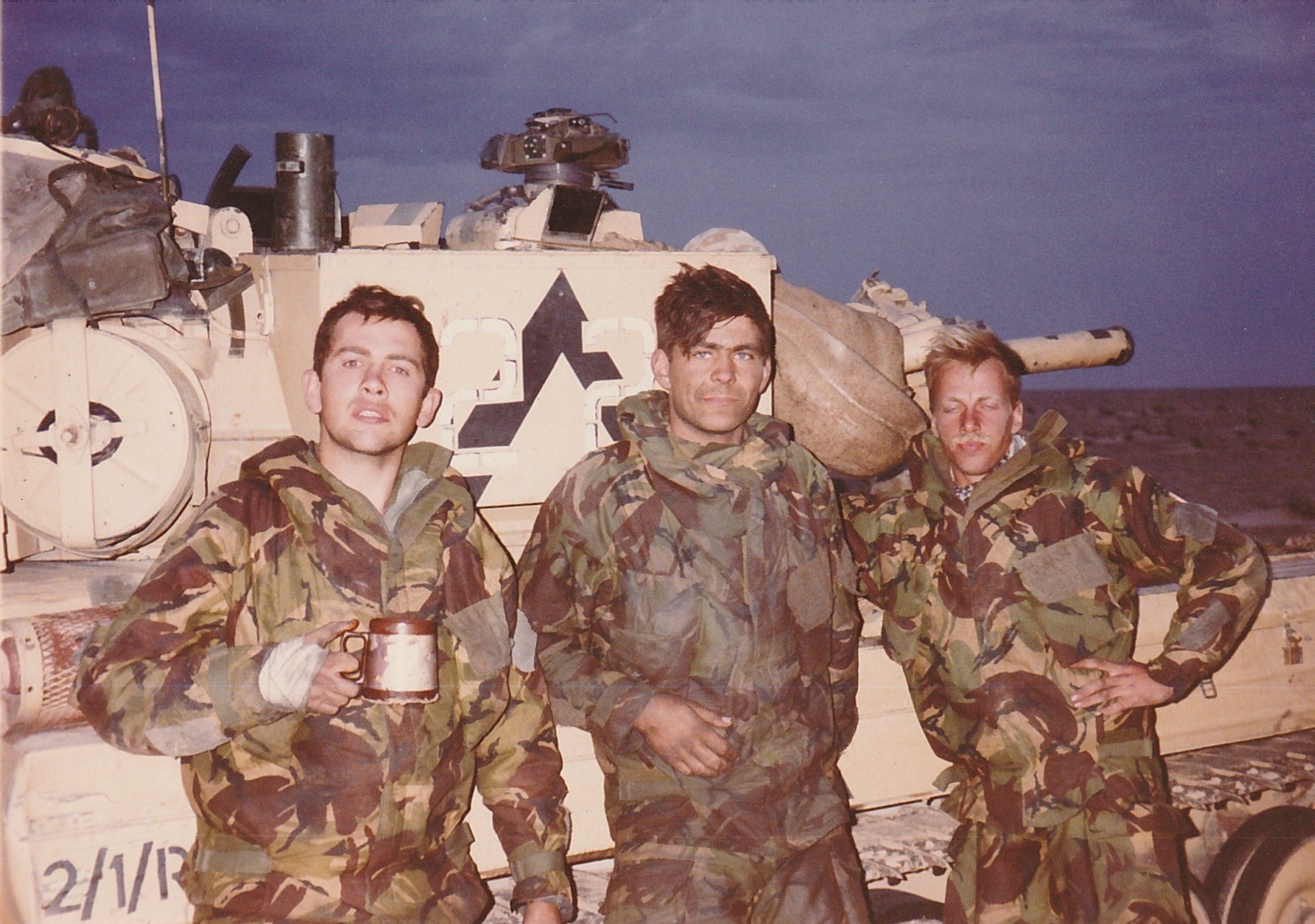
Serving under the Ban.
Lee remembers much of his early Army career positively.
He loved his job, had a close group of friends and felt he was doing something important and meaningful.
At the same time, he knew that being gay was incompatible with serving openly.
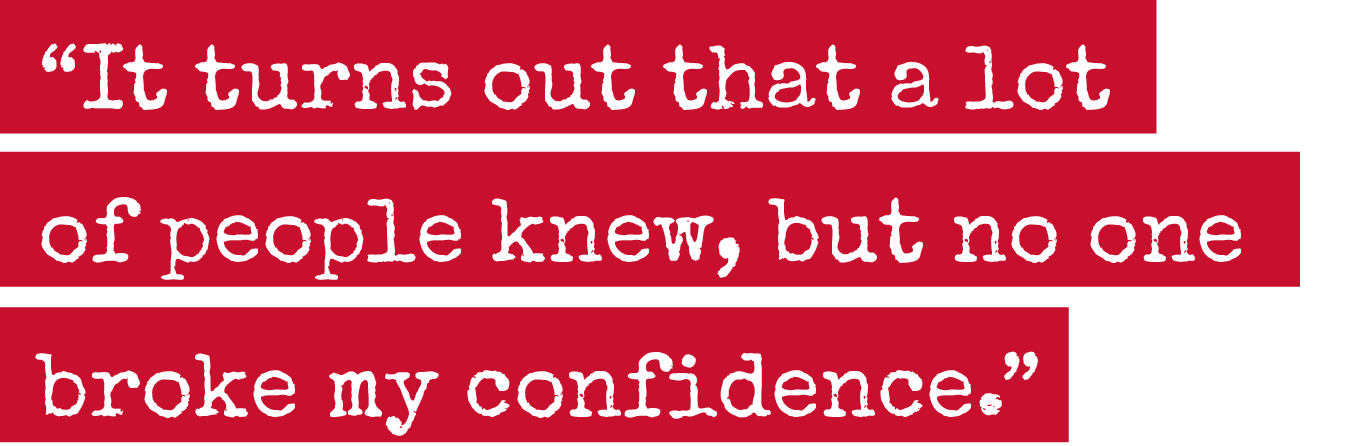
Lee initially believed he had kept his sexuality a closely guarded secret. Years later, he discovered that many of his friends had actually known. He had sometimes told people while drinking and forgotten the conversations afterwards.
Nobody broke his confidence.
That loyalty meant Lee’s day-to-day experience among his fellow soldiers was largely positive. But the Ban still meant an important part of who he was had to remain hidden.
He describes living with a constant, low-level fear of being discovered and facing the consequences.
His way of coping was to compartmentalise.
There was Lee the gay man, and Lee the soldier.
His sexuality was part of him. But so was his identity as a soldier and his desire to serve his country.
Choosing between service and himself.
That separation became harder to maintain after the First Gulf War.
While on post-operational leave, Lee met his first partner.
Suddenly, the choice created by the Ban became very real.
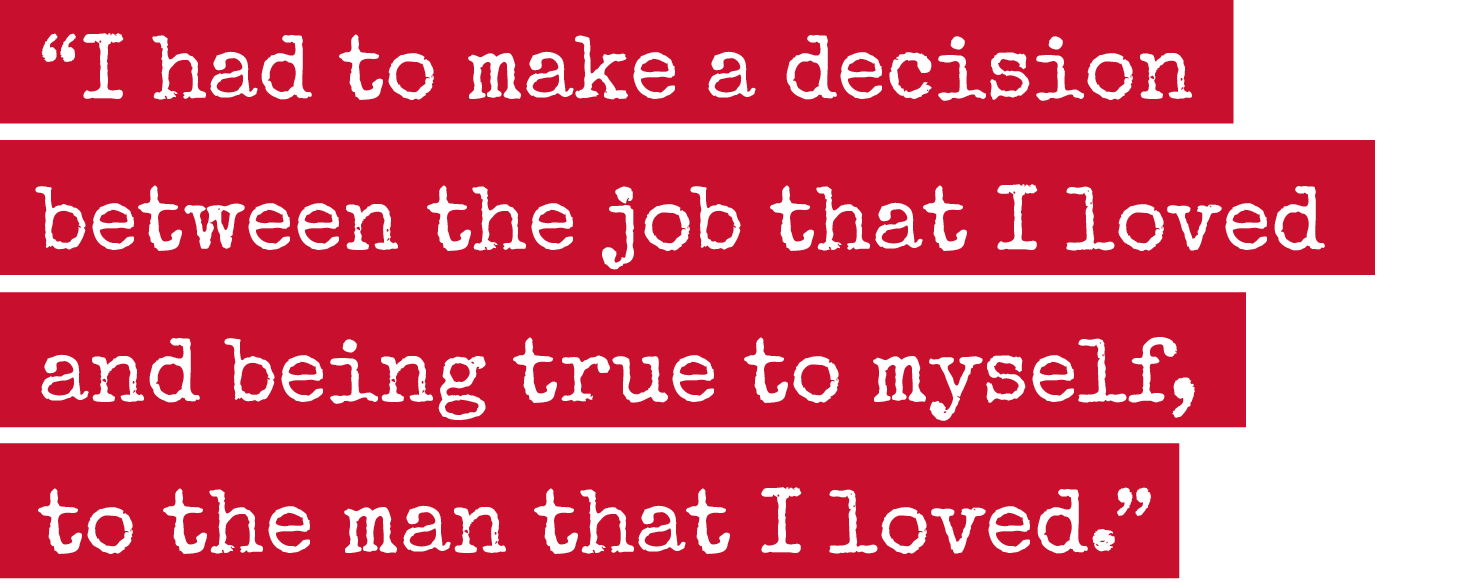
Lee chose to leave the Army.
The decision itself came relatively quickly, although securing his discharge took around a year and a half. During that time, he continued serving while having a boyfriend at home in Brighton.
It was a complicated period in Lee’s life. He was also processing his experience of combat and had returned home to discover that his mother had terminal cancer.
But underneath everything was a fundamental conflict created by the Ban: continuing the career he had wanted his whole life meant denying a core part of himself.
Lee knew when he joined that gay people were prohibited from serving.
He was just 16.
At the time, he even believed that joining the Army might somehow change his sexuality.
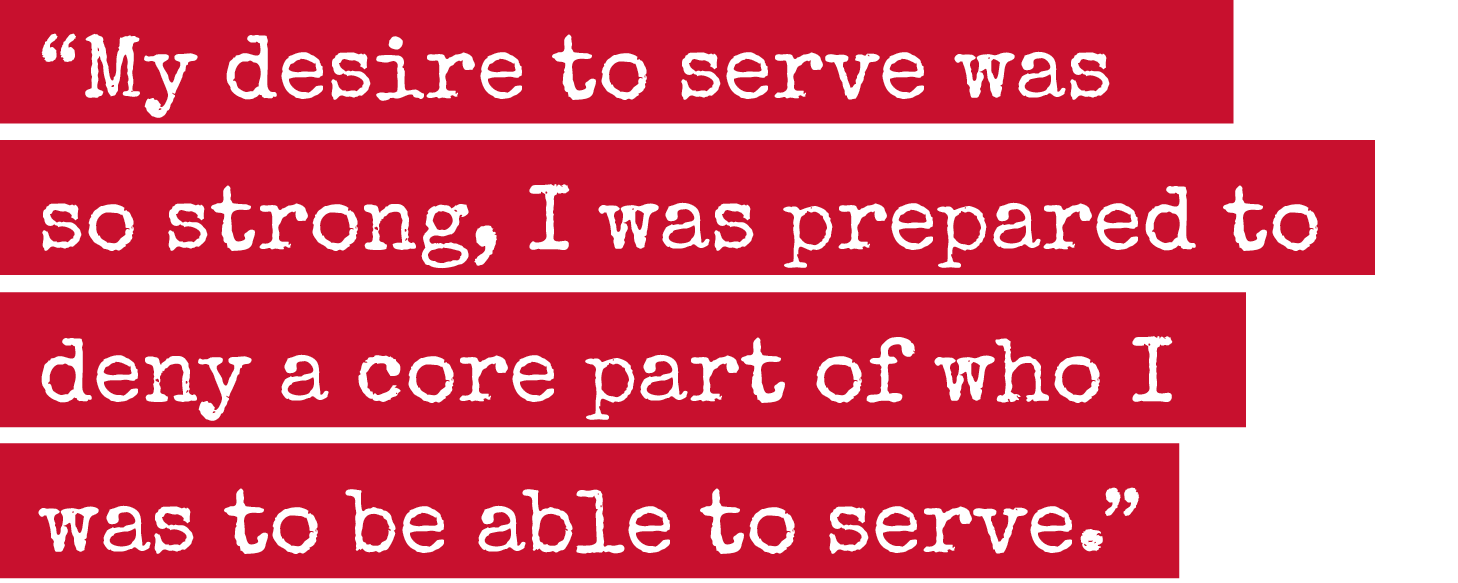
But his desire to serve was so strong that he was willing to accept the restrictions placed upon him.
For Lee, that is an important part of understanding what serving under the Ban meant.
He knew the rules. But the alternative was walking away from something that had been part of his identity for as long as he could remember.
As he puts it:
Returning to serve.
Leaving in 1992 did not end Lee’s connection with the Army.
In 1996, he was contacted because volunteers were needed for a tour in Bosnia and Lee had particular qualifications that were required.
He volunteered.
During that tour, however, Lee found himself in a situation where he came out to his superiors.
It ultimately led to his discharge directly from Bosnia.
Because his skills were still needed, Lee continued working for several months while the discharge was processed. During that time, the people serving alongside him knew he was gay.
Their response left an impression on him.
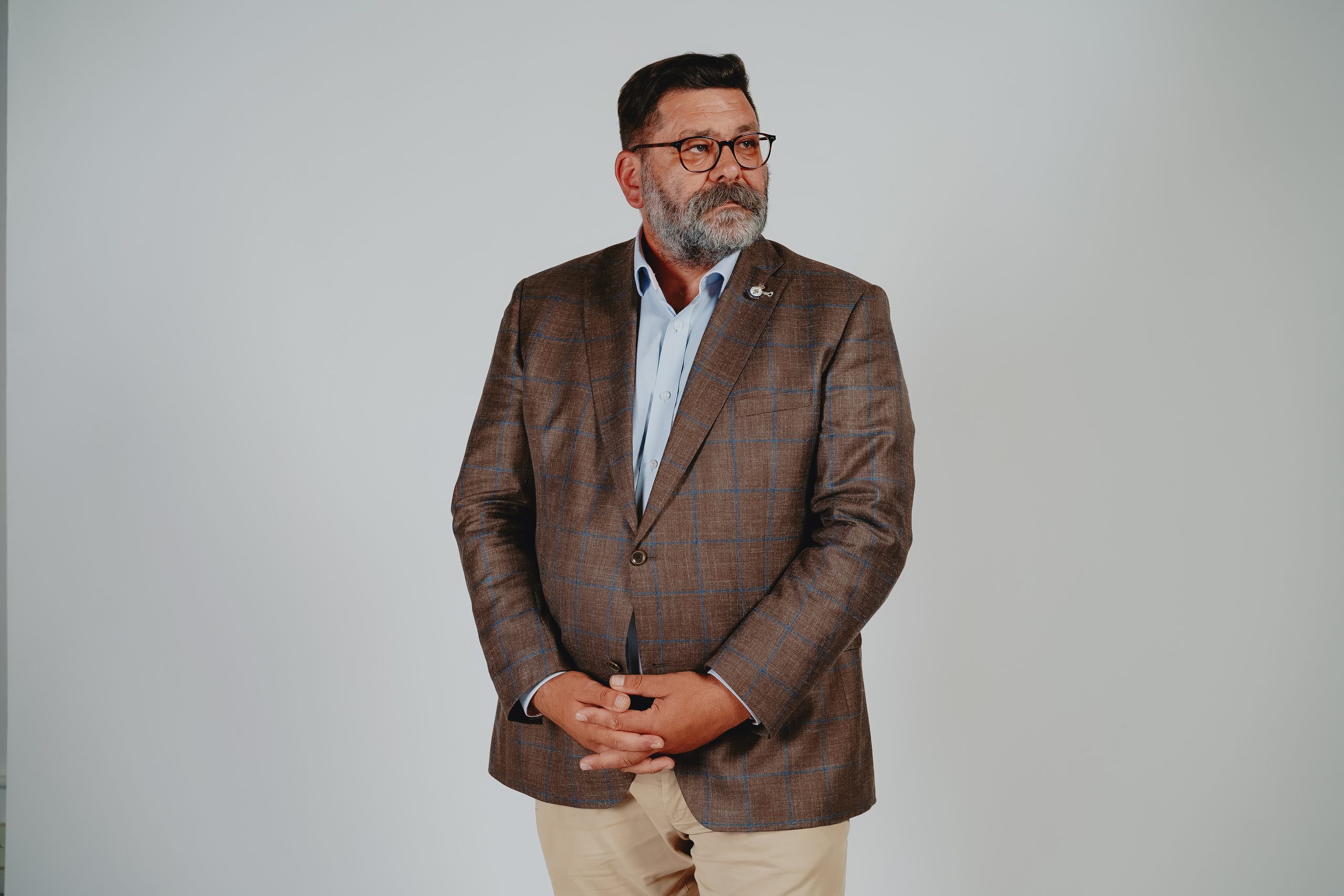
Lee describes those months as giving him “faith in humanity”.
The policy said he could not serve because he was gay.
Yet the soldiers working alongside him continued to judge him on something much simpler: whether he could do his job.
Losing the opportunity to serve again.
Lee’s discharge had another consequence.
He was removed from the reserve list.
Years later, when the Iraq War began, that meant he was unable to return to serve.
For Lee, this became one of the most significant long-term effects of the Ban.
Whenever someone was killed – particularly somebody from his own regiment – he describes experiencing a powerful sense that he should have been there too.
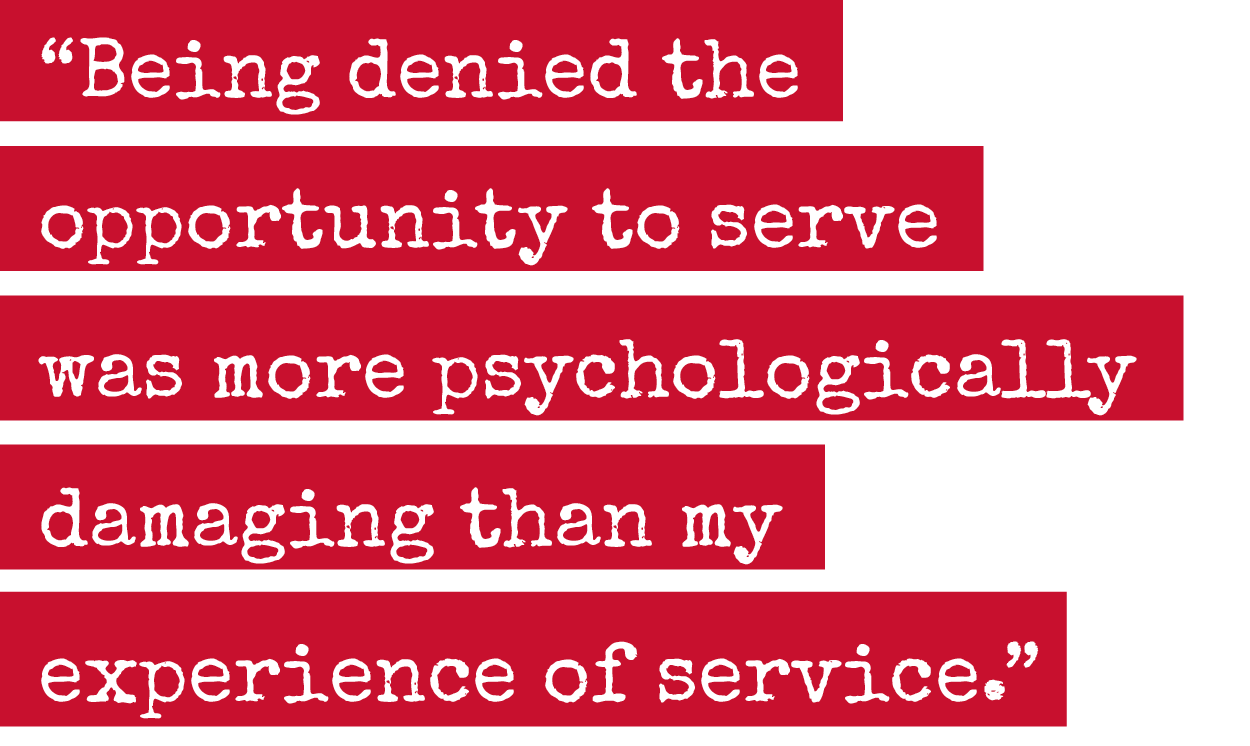
The impact was not simply that Lee had lost a job.
He had lost the ability to fulfil something he considered a duty.
That distinction matters when understanding why recognition would later mean so much to him.
Getting recognition.
When restorative measures became available, Lee initially had doubts about applying.
But there were two things that mattered deeply to him.
Corrected Records
Lee had the circumstances of his discharge properly reflected in his service record.
Lee had been discharged under “services no longer required”.
To him, those words implied that he had somehow been unfit to serve.
He wanted the record to show why he had really been discharged.
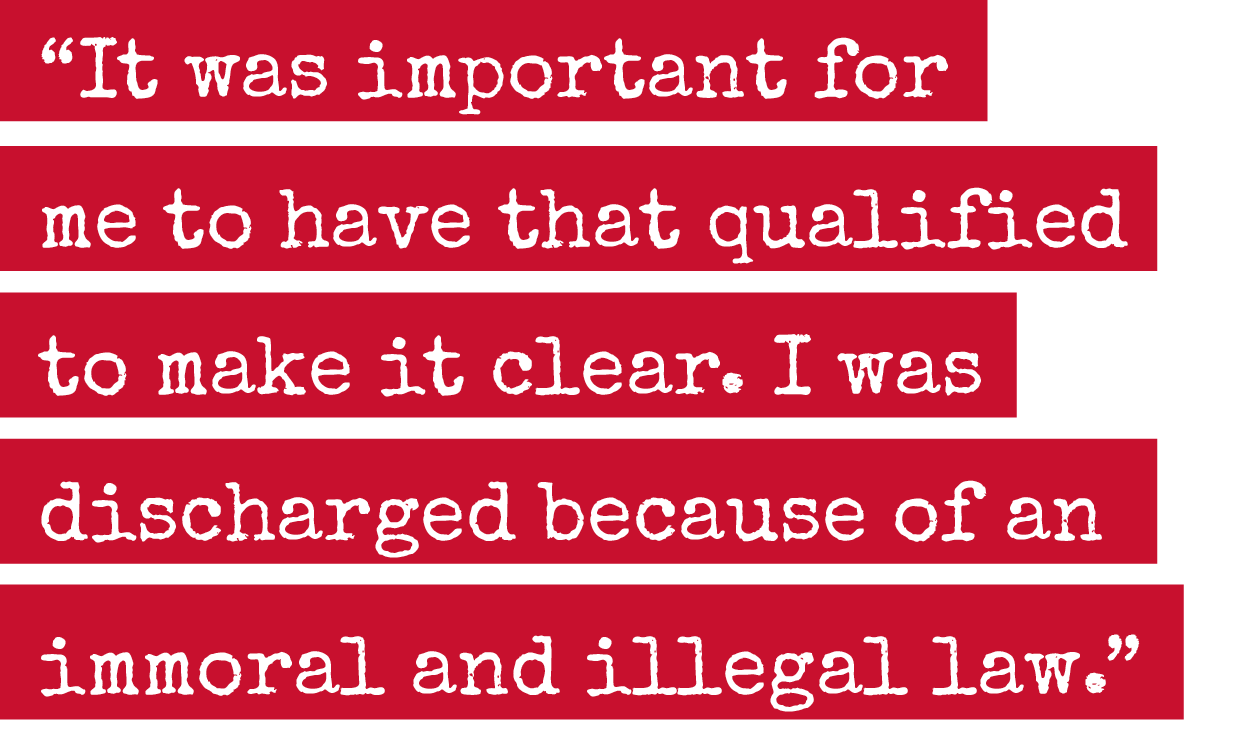
Correcting that record had a practical consequence too: Lee was able to return to the reserve list for a short period. After years of being denied that possibility, the door to serving his country was open again.
Medals
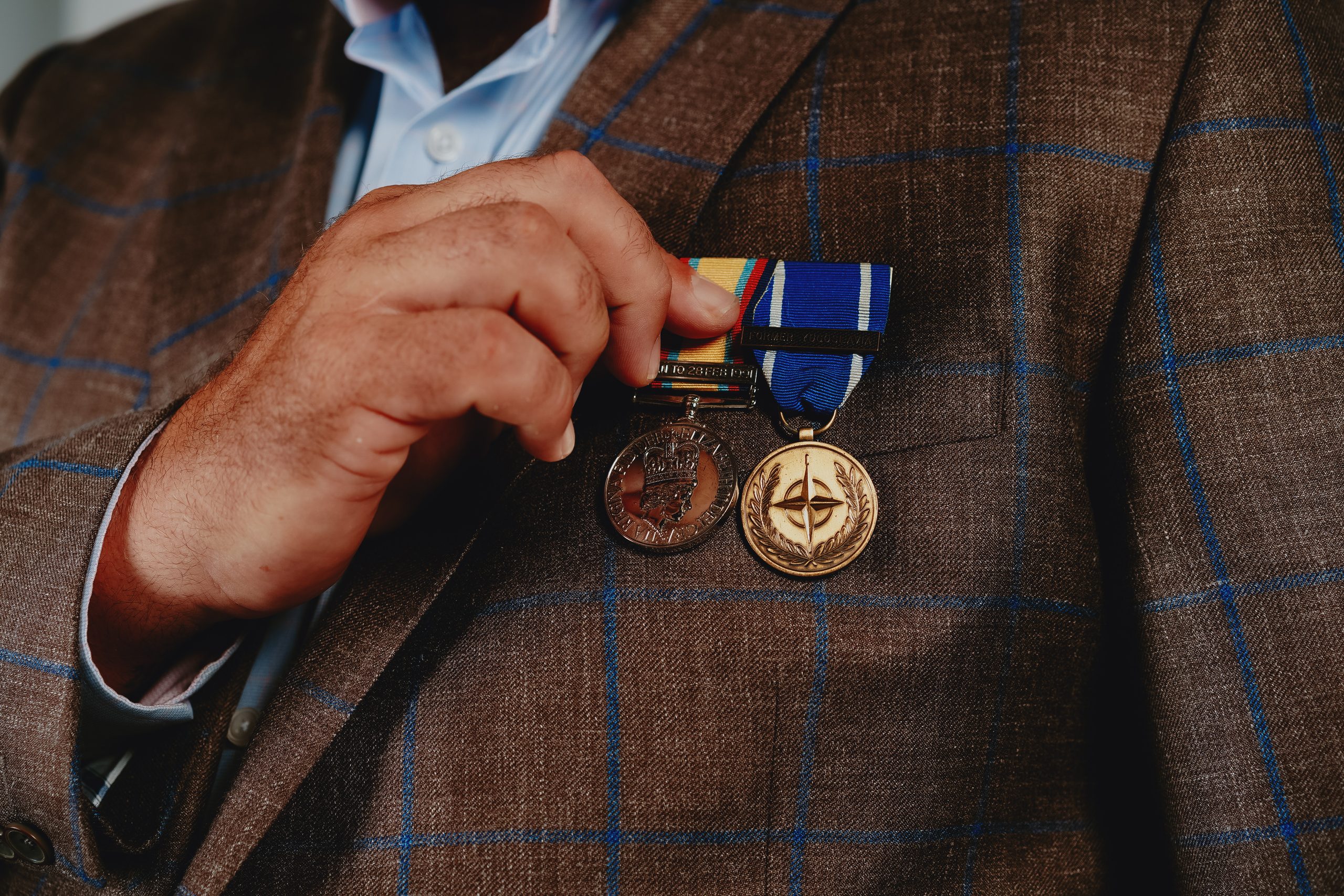
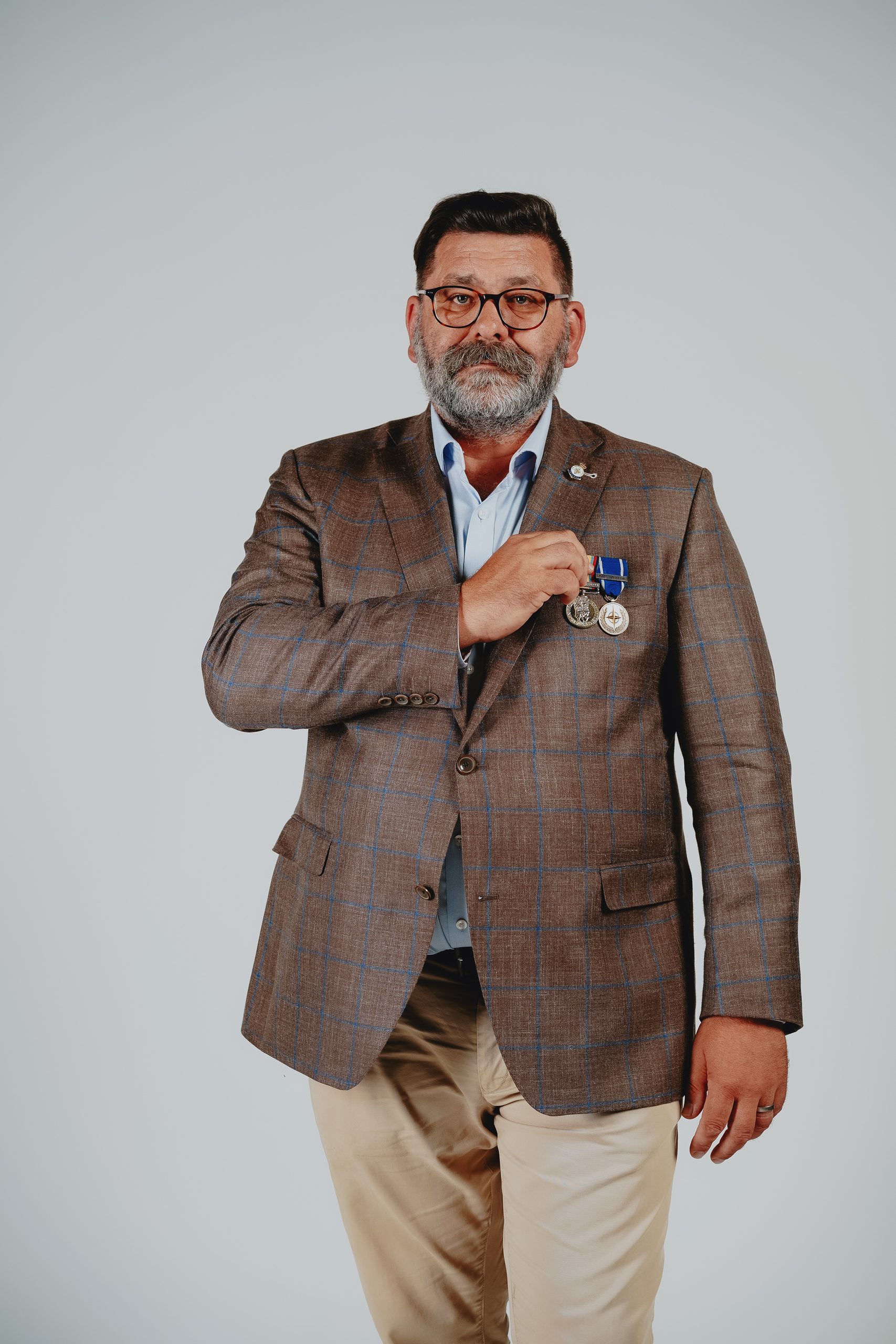
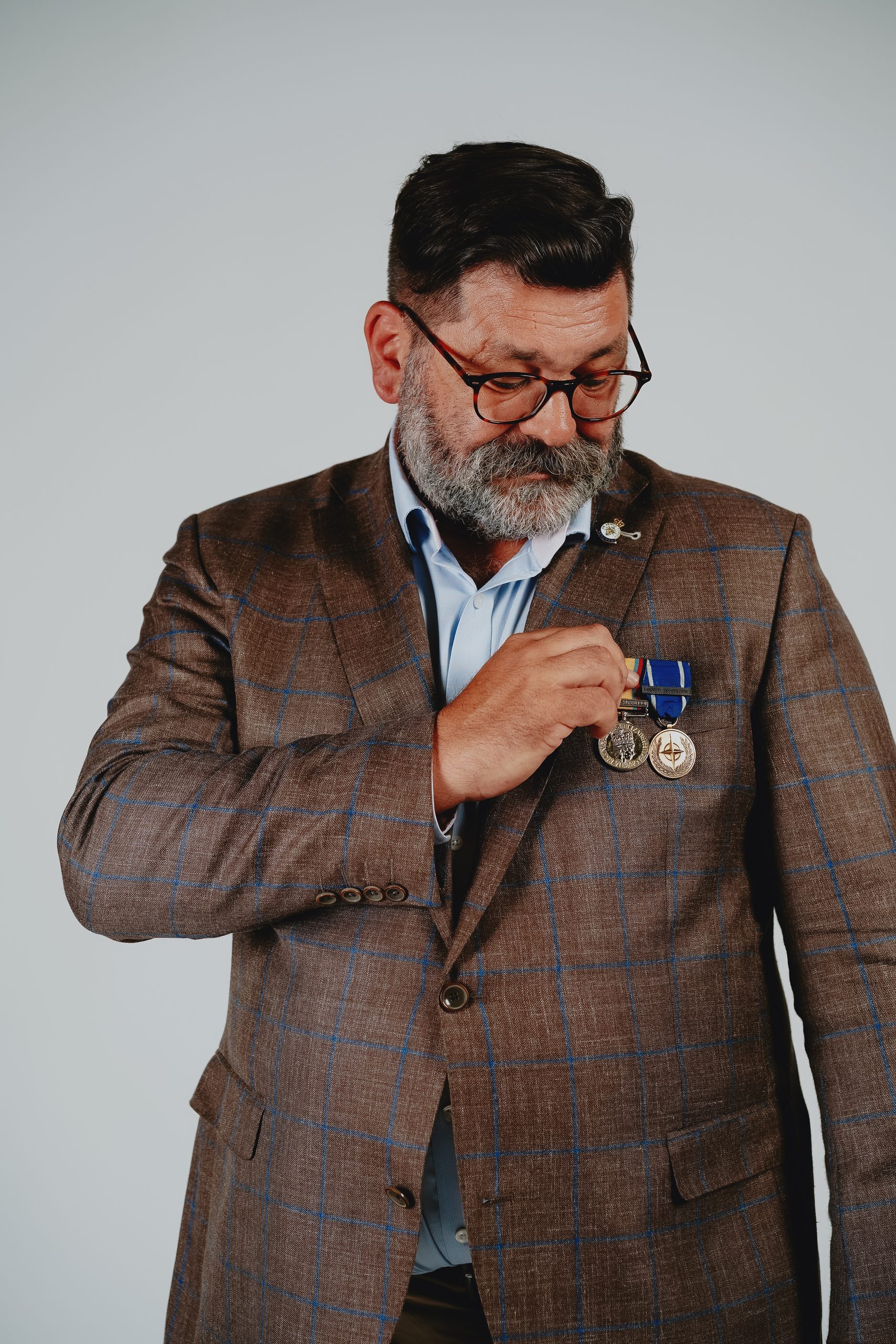
Lee was also awarded his medals – for Lee, medals are more than pieces of metal. They represent service and sacrifice.
Not receiving the medal he had earned for Bosnia had therefore stayed with him as a significant injustice.
Through the restorative measures, Lee was finally awarded it.
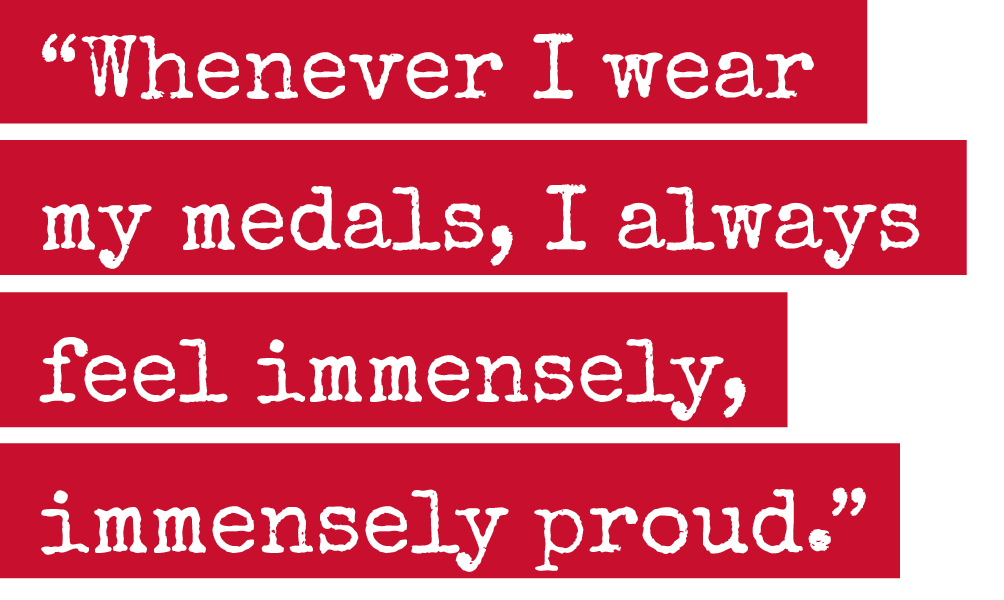
Receiving the medal and being able to wear it carried a meaning far beyond the object itself.
It was recognition of something Lee had always known: his sexuality did not make his service less valuable.
Having his discharge record corrected mattered for much the same reason.
It made clear that Lee had not been removed because he was incapable of being a soldier. He had been discharged because of a policy that should not have existed.
For Lee, both measures helped address an injustice that had remained with him for decades.
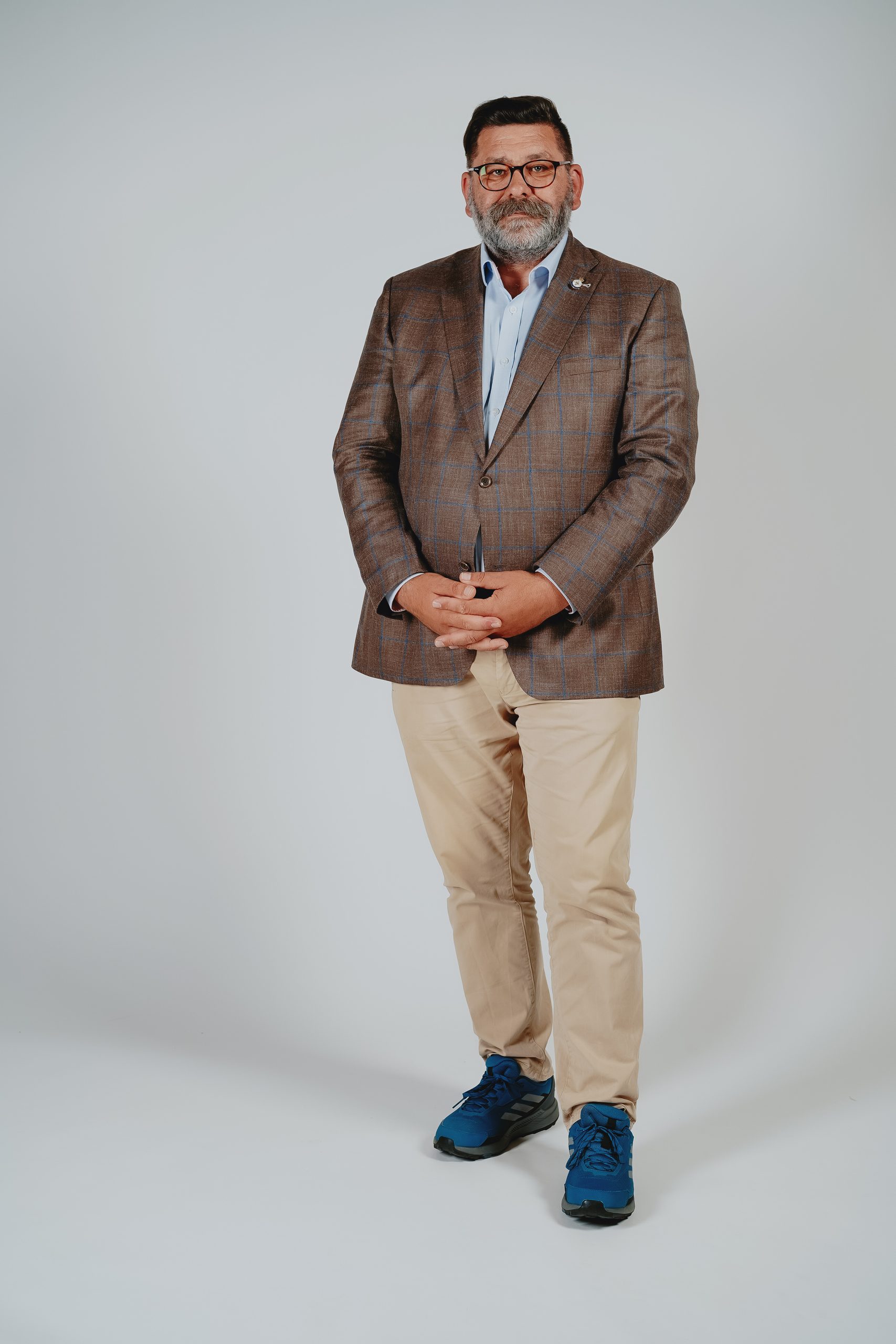
Finding his place in the military family.
One of the most important outcomes for Lee has been something less tangible.
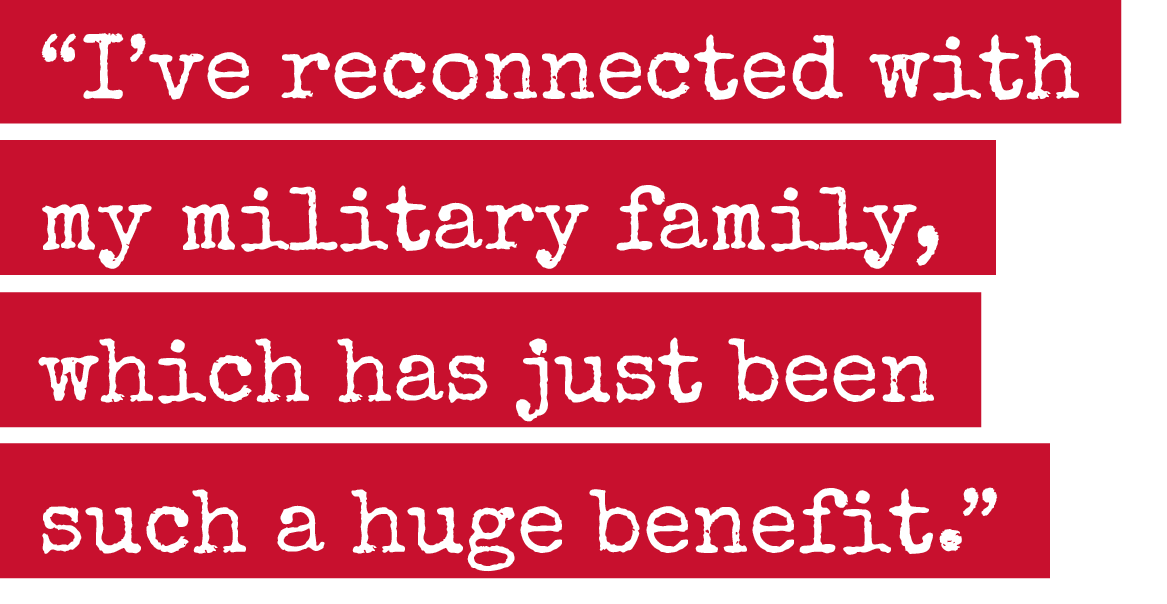
He has reconnected with the military community.
Lee had grown up surrounded by members of his brother’s regiment, so the camaraderie and sense of family he later found in the Army had always felt familiar.
After leaving, some friendships remained. But the Independent Review and restorative measures helped Lee reconnect more fully with that part of his life.
He now marches with his regimental association at Remembrance.
That reconnection has also challenged an assumption Lee carried for years.
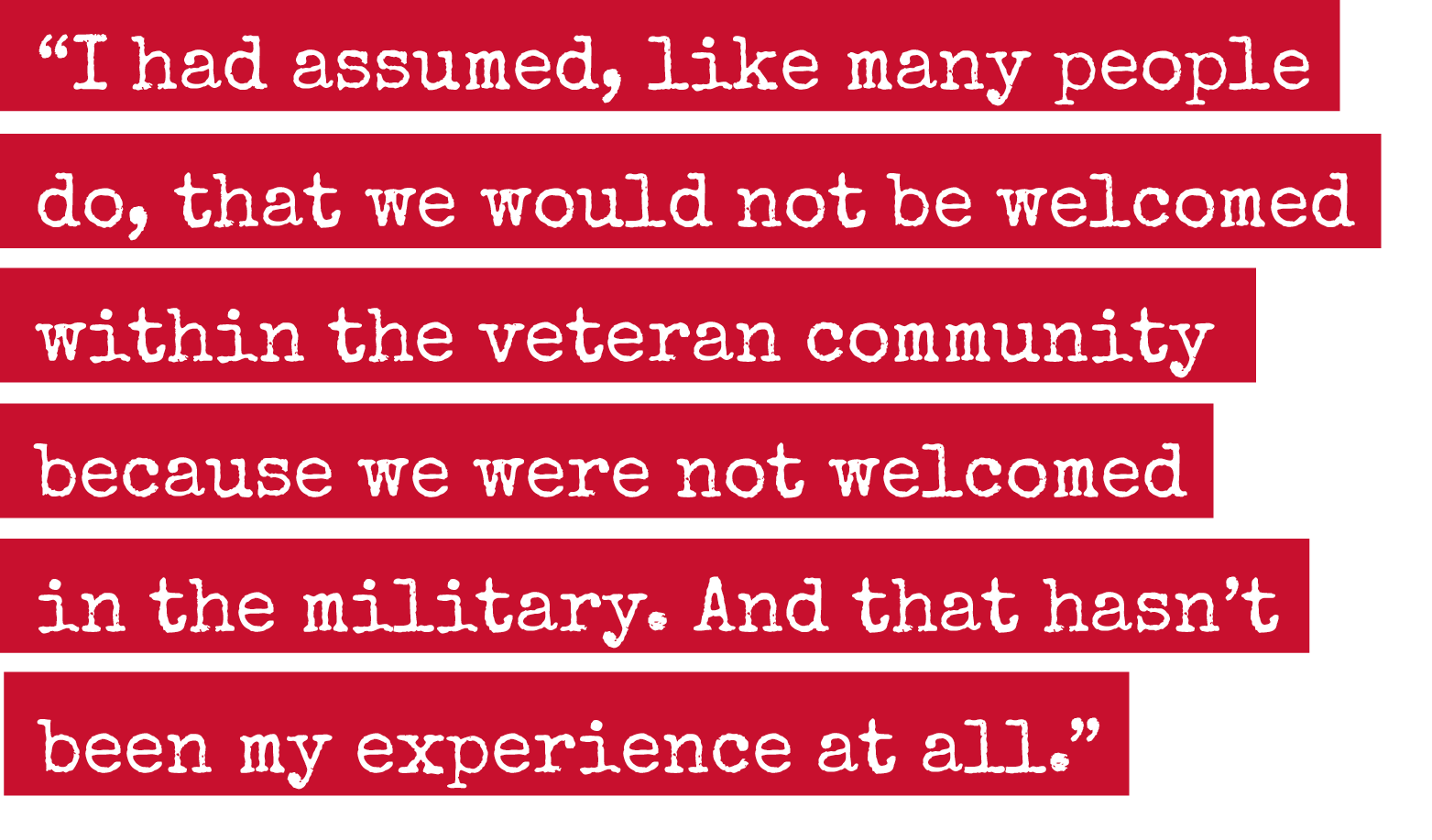
Like many LGBT+ veterans affected by the Ban, he had worried that veteran organisations and the wider military community might not welcome him.
For decades, he stayed away.
When his work eventually brought him into contact with veteran organisations, he discovered something different.
The support.
Lee understands why somebody affected by the Ban might be nervous about asking a military or veteran organisation for help.
For some people, those organisations can feel connected to the institution responsible for what happened to them.
That fear can become another lasting consequence of the Ban.
Lee himself had almost nothing to do with veteran organisations for decades.
But his experience since reconnecting has been overwhelmingly positive.
He particularly highlights the support available through organisations including Fighting With Pride and the Royal British Legion.
Lee completed his own application independently, but says he was always aware that support was available if he needed it.
His advice to others is to use that support rather than automatically ruling themselves out from it.
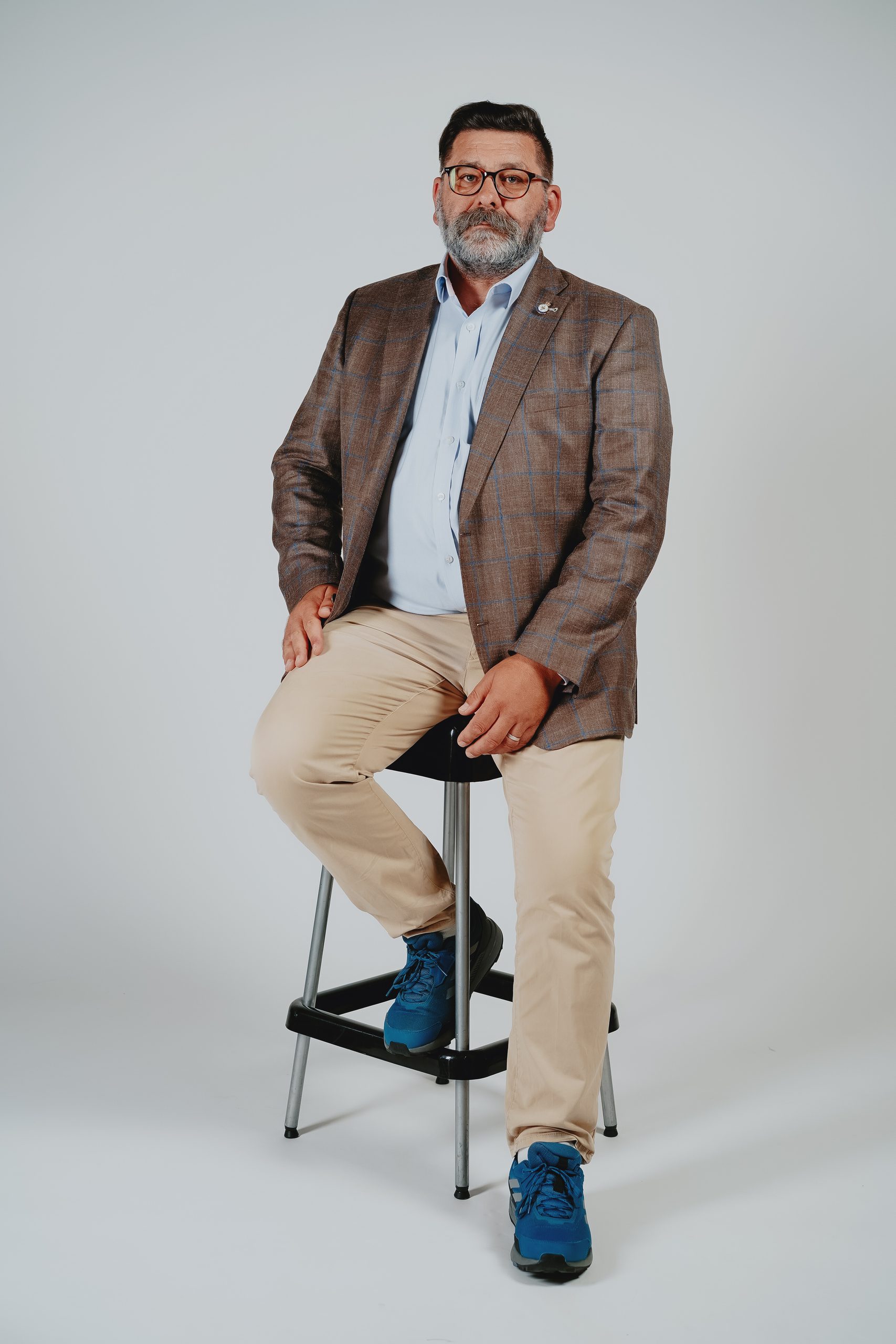
Lee’s message to other veterans.
Lee is also open about the application process itself.
Setting up an account can be challenging, he says, but his advice is straightforward:

Once that initial stage was complete, Lee found the rest of the process more straightforward.
He acknowledges that writing down and revisiting experiences from the past can be difficult. For anyone doing so, he recommends thinking about the support network they have around them.
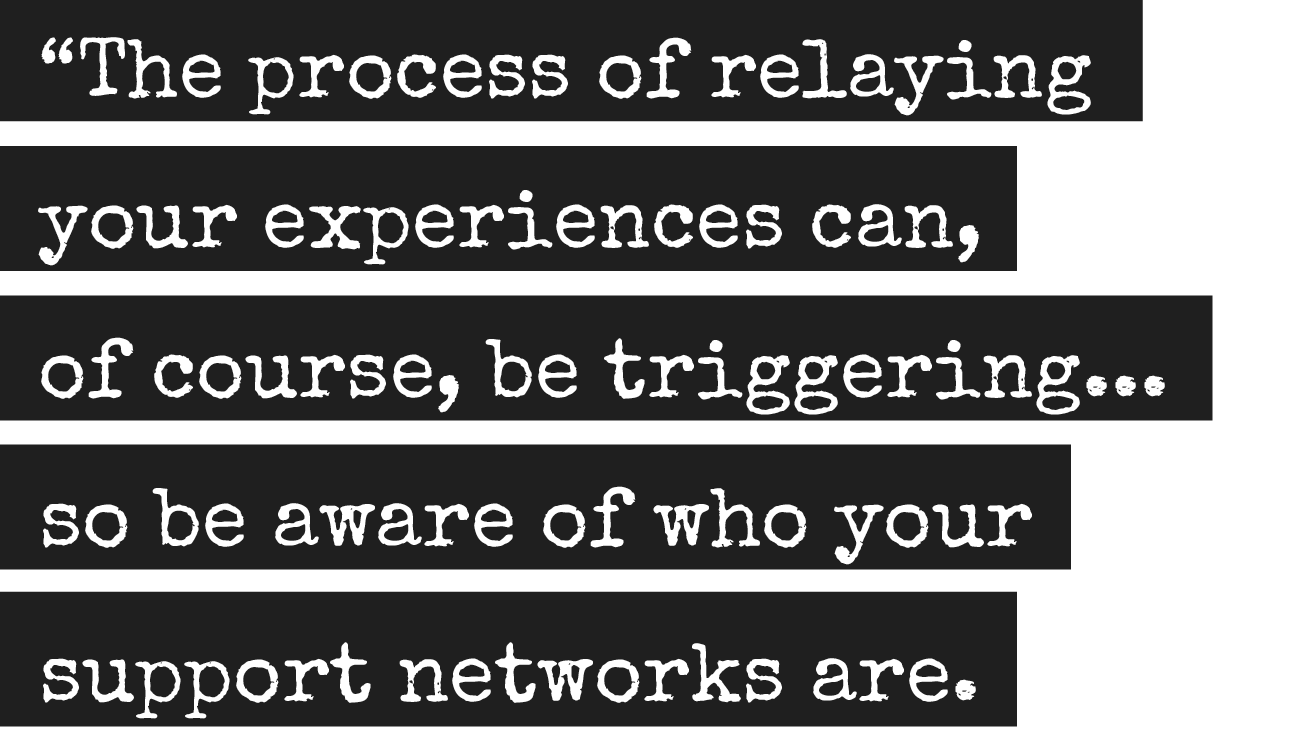
Nobody needs to navigate that process without support if they need it.
When Lee is asked what he would say to somebody unsure about applying for recognition, his response is immediate.

For Lee, the greatest benefit has not been one individual restorative measure.
It has been recovering a sense of belonging.
For years, he felt that two important parts of his identity were somehow incompatible: the gay man and the veteran. Through reconnecting with his regiment and the wider military community, that has changed.
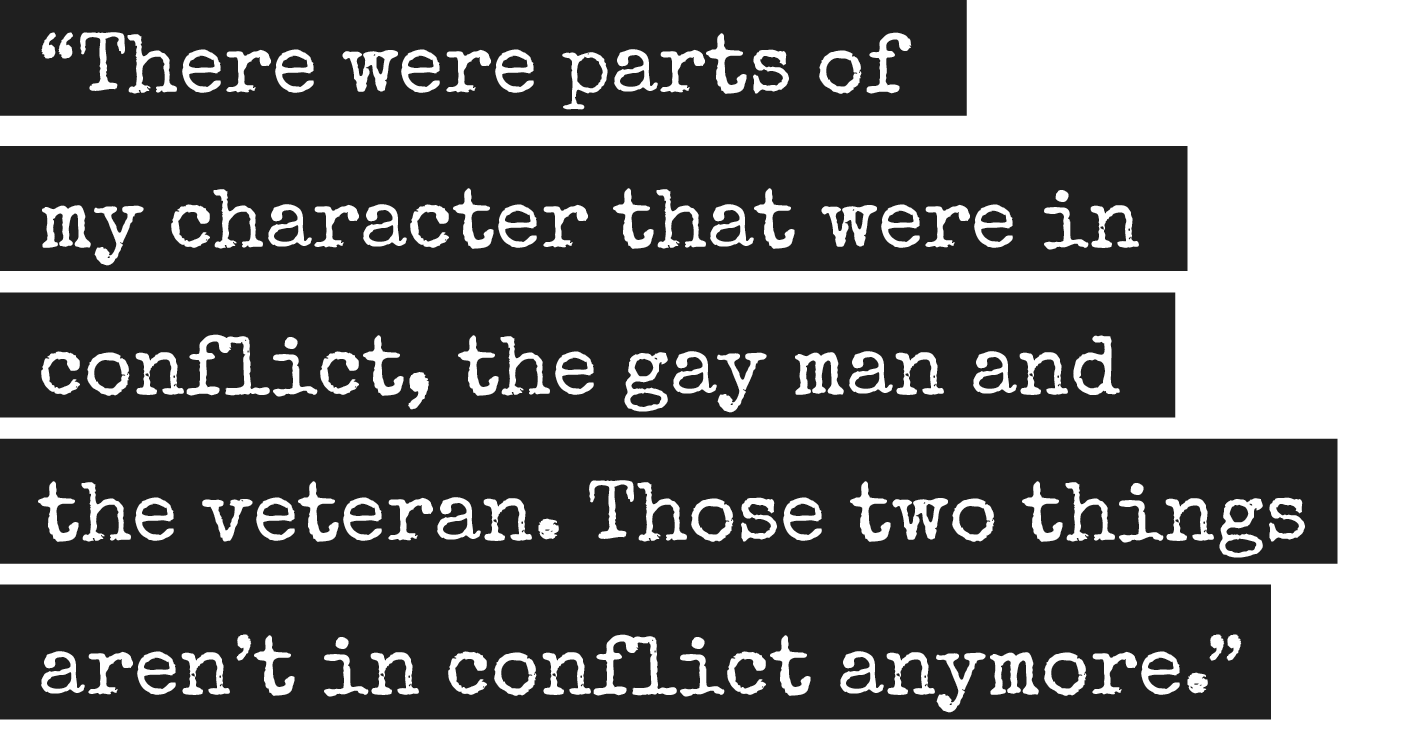
Lee can now march with his regimental association. He can wear the medal he earned. His record reflects why he was discharged. And he can be openly gay while still belonging to the military family that has mattered to him since childhood.
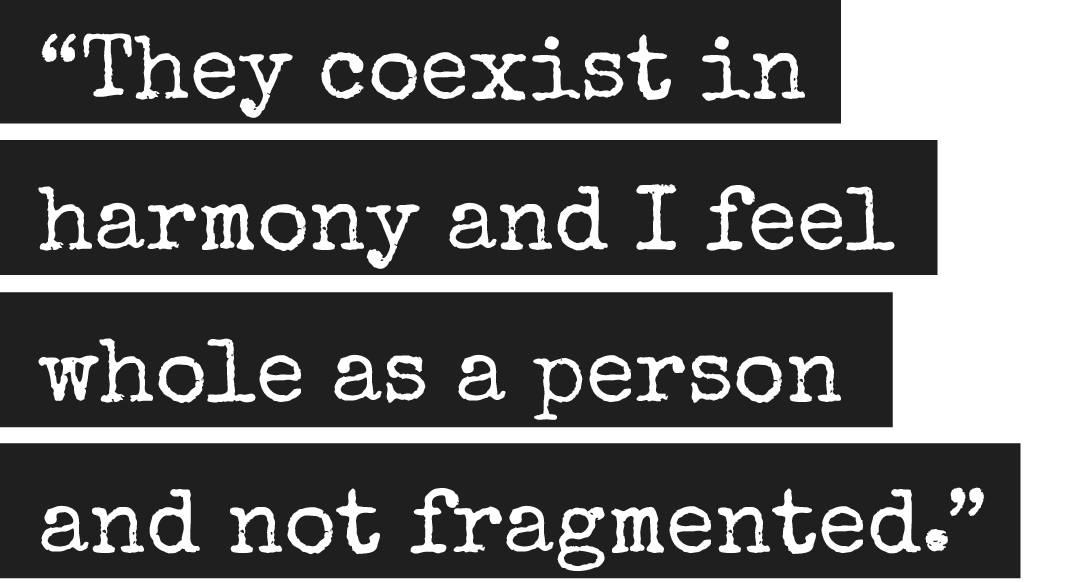
For Lee, that feeling of belonging has been worth more than he can easily express.
Looking back, there is one thing Lee wants people to understand.
Gay people have always served in the Armed Forces.
Their sexuality did not make them less capable, less committed or less able to do their jobs.
For Lee, his own story demonstrates that clearly.
Even after coming out in Bosnia, the soldiers around him continued to rely on him because he was good at his job.
The Ban took away his opportunity to continue serving. Recognition cannot give him those years back.
But it has allowed him to reclaim something that the Ban had made him feel he had lost: his place as both a gay man and a veteran.
And for anyone else who has spent years believing they no longer belong, Lee hopes the recognition process might open that door too.